

Google is giving searchers more control over where they get information. Its Preferred Sources feature lets people select the publications and websites they trust, then makes those sources easier to spot in Google Search. In 2026, Google expanded the feature to include AI Overviews and AI Mode, in which selected sources can appear with a visible “Preferred” label.
For publishers, this is not a new ranking factor to manipulate. You cannot add yourself as a preferred source, buy the status or mark it up with a special schema code. A user has to choose your site. That is precisely why it matters: it rewards the relationship you build with readers, not just the position you achieve for one keyword.
A strong content marketing and guest posting strategy can help bring the right audience to your site in the first place. Preferred Sources gives those returning readers another reason to find you again.
What are Google Preferred Sources?
Preferred Sources is a user-controlled Search feature. Someone can search for a topic, use Google’s source-preferences tools and choose websites they want to see more often.
Google says that, in AI Mode and AI Overviews, links from a selected site can be highlighted with a Preferred badge. The feature was initially focused on Top Stories, but it is now available in Google’s AI search experiences too.
That does not mean your website will appear every time a person searches. Google still needs a relevant, indexable page to show. Preferred status simply makes it easier for the person to recognise a source they have already chosen.
This distinction is important. Preferred Sources should be treated as an audience-loyalty opportunity, not a shortcut around quality, relevance or normal SEO.
Why it matters for traffic
AI search has made many publishers worry that Google will answer questions without sending people to websites. Preferred Sources creates a more encouraging signal: Google is actively helping users find familiar, trusted publishers inside AI-generated results.
Google reported that people are twice as likely to click through to a Preferred Source. That figure will not apply equally to every niche or website, but the underlying lesson is useful. If someone knows and values your work, they are more likely to choose your result when it is clearly identified.
For a business blog, this can matter when readers repeatedly need expert guidance. Think of:
- An accountant explaining tax changes for small businesses
- A cybersecurity firm publishing practical security advice
- An ecommerce brand creating original buying guides
- An SEO consultancy sharing tested, clearly explained Search updates
- A specialist publisher reporting on a narrow industry
The aim is not to publish more for its own sake. It is to become a source people actively want to return to.
Start with content worth choosing
A site earns preference by being recognisable and consistently useful. If every article repeats information already available on ten other pages, readers have little reason to select it.
Google’s current guidance for AI Search still comes back to foundational SEO: create helpful, original content; make pages technically accessible; and give people a satisfying experience after the click.
For publishers, that means leaning into what cannot easily be copied:
First-hand perspective
Add experience, evidence and practical judgement. Rather than publishing “10 link-building tips”, explain what happened when a campaign gained placements, where outreach failed, and what changed the result.
Clear editorial standards
Use named authors where appropriate, cite reputable sources and correct content when facts change. Readers are more likely to trust a site that is transparent about who is behind the advice.
A dependable publishing rhythm
You do not need to become a daily newsroom. But a specialist site should be predictably active. Fresh commentary on important developments, supplemented by evergreen guides that are regularly updated, gives readers a reason to come back.
This is also where carefully chosen guest post placements can help. A genuinely useful article on a relevant publication can introduce new readers to your expertise; it should never exist merely to place an anchor text link.
Make it easy for readers to identify your brand
Someone cannot choose your website as a preferred source if they do not remember it.
Keep your publication identity consistent across your site, social channels and author profiles. This includes your name, logo, editorial voice and subject focus. A person who reads a useful article today should be able to recognise the same source in a future Search result.
Practical actions include:
- Use a memorable publication name and clear site branding
- Publish author pages that explain relevant expertise
- Link related articles together so visitors can explore a topic in depth
- Offer a useful newsletter or follow option for people who want updates
- Promote your best original work instead of only sharing sales pages
- Avoid changing your page titles, URLs or brand presentation unnecessarily
If your site covers several unrelated topics, establish clear sections. A reader should quickly understand what they can rely on you for.
How to encourage readers without being pushy
Google allows publishers to guide readers towards selecting them as a Preferred Source, provided they use accurate, helpful messaging.
A simple callout can work on your blog, newsletter or social profile:
Want to see more of our SEO updates in Google? Add GuestPost.UK as a Preferred Source in your Google Search preferences.
Place it where it makes sense—after a genuinely valuable article, for example—not as an intrusive pop-up before someone has read anything. The request should feel like an invitation to stay connected, not a demand.
You can also explain the benefit clearly: readers may find your latest articles more easily in Top Stories and identify your links in AI search results.
Technical SEO still decides whether your content can be found
Preferred Sources does not override the basics. Google says pages must be indexed and eligible to appear with a snippet in Search before they can be shown as supporting links in AI Overviews or AI Mode.
Check that your most valuable articles are:
- Crawlable and not accidentally blocked by robots directives
- Canonicalised correctly
- Fast and usable on mobile
- Supported by descriptive titles, headings and internal links
- Updated when material information changes
- Free from thin duplicates that compete with each other
Do not waste time creating llms.txt files, special AI-only schema or dozens of near-identical pages in an attempt to force visibility. Google has been clear that there is no separate technical requirement for AI Mode beyond the normal standards for Search.
Measure the right signals
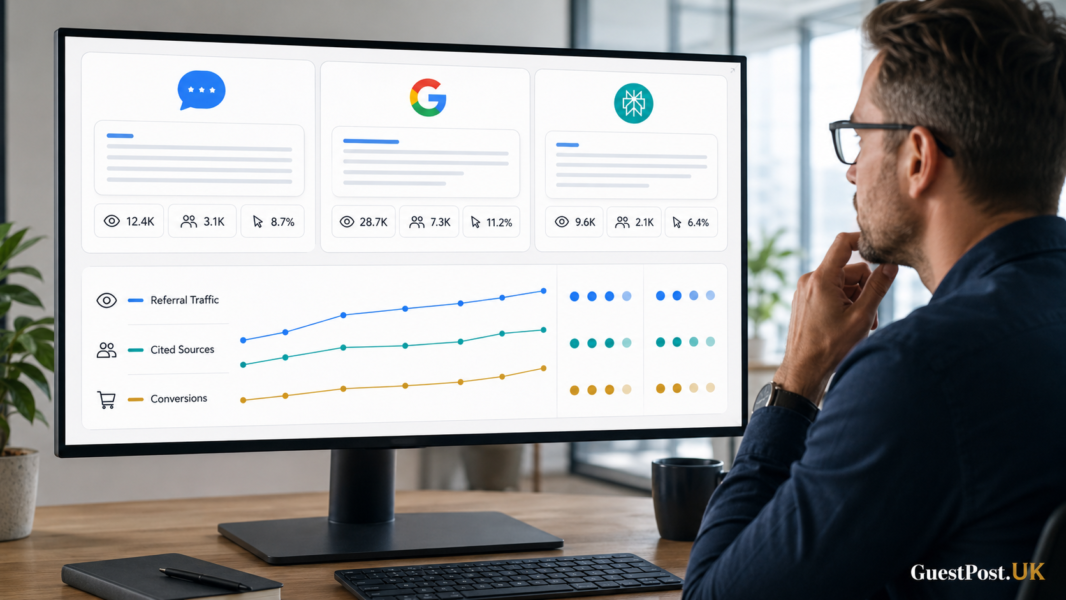
Preferred Sources is too new to judge solely by a ranking tracker. Watch for signs that your audience is becoming more loyal:
- More direct and returning visitors
- Newsletter subscriptions and repeat opens
- Branded searches in Google Search Console
- Readers visiting several articles in one session
- Referral traffic from trusted industry publications
- Leads that mention seeing your content repeatedly
You can also use Search Console’s Generative AI performance reporting to understand how people discover your pages through Google’s AI features. Combine that data with branded-query tracking, rather than treating a single-click increase as proof of success.
Build a publication people choose deliberately
The best response to Preferred Sources is not a technical trick. It is to make your website more useful, distinctive and dependable than the alternatives.
Publish clear answers, show real expertise, earn relevant mentions and make each visitor’s next step obvious. Over time, some readers will decide that your site is worth selecting.
That is a stronger outcome than chasing a single temporary AI search tactic. If you want to build the content, authority and editorial visibility that support long-term organic growth, explore our SEO services.