

Why Best SEO Practices Matter More Than Ever
Search engine optimisation is no longer just about keywords and backlinks. The best SEO practices today combine technical precision, content quality, user experience, and data-driven decision-making.
With over 8.5 billion searches per day on Google, competition is fierce. At the same time, studies show that 75% of users never scroll past the first page, making top rankings critical for visibility and revenue.
Think of SEO like building a high-performance engine. Content is the fuel, technical SEO is the machinery, and backlinks are the acceleration. Without all three working together, performance drops.
This guide breaks down the best SEO practices you need right now—with actionable strategies, tool comparisons, and real-world use cases.
Best SEO Practices for Keyword Research and Search Intent
Effective keyword research is the foundation of all best SEO practices.
Focus on Search Intent First
Google prioritises content that matches intent:
- Informational – “what are best SEO practices”
- Commercial – “best SEO tools comparison”
- Transactional – “buy SEO services UK”
To rank, your content must align precisely with what users expect.
Target Long-Tail Keywords
Long-tail keywords:
- Have lower competition
- Convert better
- Are easier to rank
Examples:
- “best SEO practices for small business UK”
- “technical SEO checklist 2026”
Use Keyword Clustering
Instead of targeting one keyword per page:
- Group related keywords
- Build topical authority
- Improve internal linking
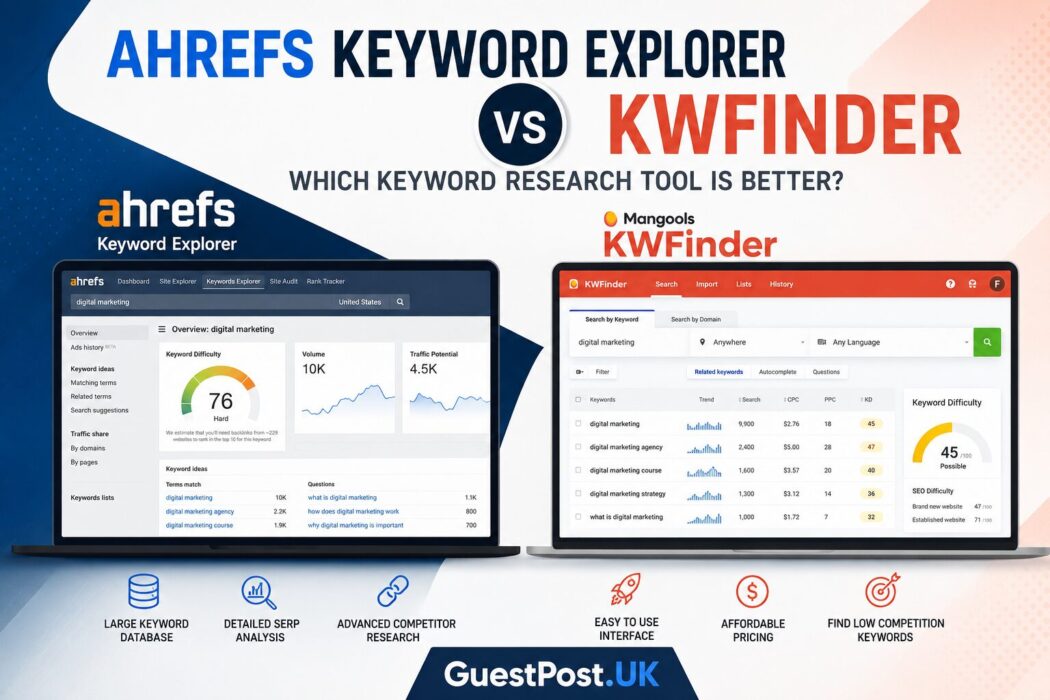
Expert Tip: Use tools like Ahrefs or SEMrush to identify keyword clusters and search intent gaps.
On-Page Optimisation Techniques That Still Work
On-page SEO remains one of the most controllable best SEO practices.
Essential Elements
- Title tags with primary keyword
- Meta descriptions optimised for CTR
- H1, H2, H3 structured hierarchy
- Internal linking to relevant pages
- Optimised URL slugs
Content Optimisation Checklist
- Include primary keyword in first 100 words
- Use semantic keywords naturally
- Maintain readability (short paragraphs)
- Add bullet points for clarity
E-E-A-T Signals
Google evaluates:
- Experience
- Expertise
- Authoritativeness
- Trustworthiness
To improve:
- Add author bios
- Cite credible sources
- Showcase real-world experience
Technical SEO Best Practices That Impact Rankings
Technical SEO ensures search engines can crawl, index, and understand your site.
Core Technical Factors
- Page speed optimisation
- Mobile responsiveness
- Clean site architecture
- XML sitemap and robots.txt
- HTTPS security
Core Web Vitals Matter
Google uses these metrics:
- Largest Contentful Paint (LCP)
- First Input Delay (FID)
- Cumulative Layout Shift (CLS)
Sites that meet these benchmarks tend to rank higher.
Content Marketing Strategies That Drive SEO Growth
Content is still the backbone of the best SEO practices.
High-Performing Content Types
- Long-form guides (like this one)
- Comparison articles
- Case studies
- “How-to” tutorials
Content Depth vs Length
It’s not just about word count—it’s about completeness.
Statistic: Pages ranking #1 on Google average 1,447 words, but depth and relevance matter more than length.
Topic Authority Strategy
Instead of random posts:
- Build content hubs
- Cover topics comprehensively
- Interlink related articles
Link Building Strategies That Actually Work
Backlinks remain one of the strongest ranking factors.
White-Hat Link Building Methods
- Guest posting
- Digital PR campaigns
- Resource link outreach
- Broken link building
Anchor Text Optimisation
Use a mix of:
- Branded anchors
- Exact match keywords
- Natural phrases
Avoid over-optimisation—it can trigger penalties.
Best SEO Tools Comparison for 2026
Choosing the right tools is critical for implementing the best SEO practices efficiently.
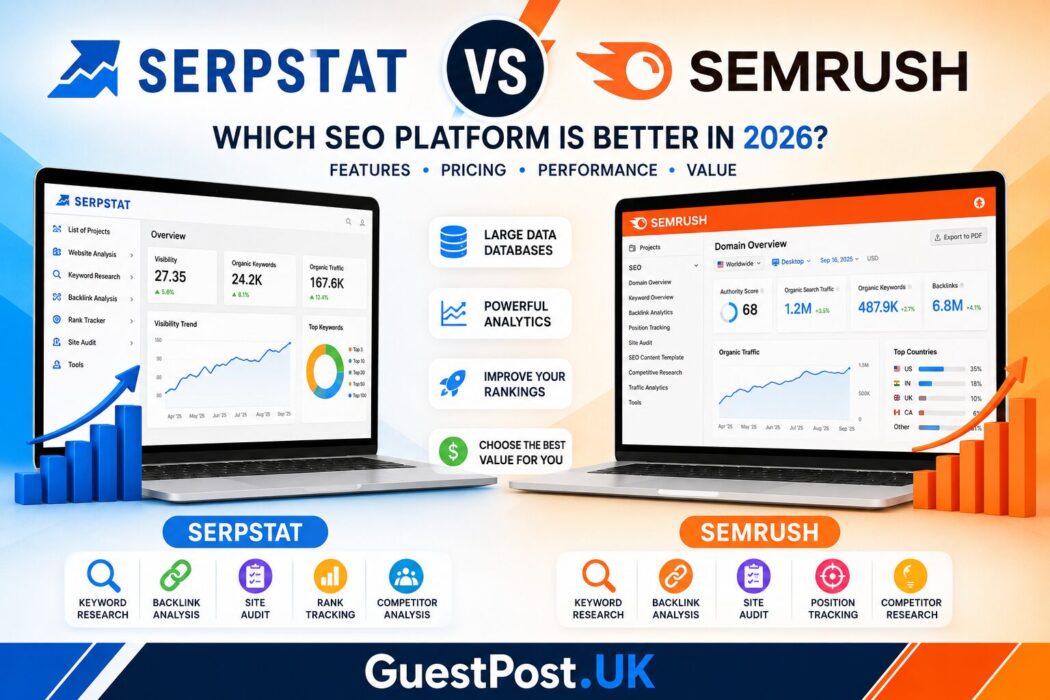
SEO Tools Comparison Table
| Tool | Best For | Key Features | Pricing (Approx) |
|---|---|---|---|
| Ahrefs | Backlink analysis | Site explorer, keyword research | £89+/month |
| SEMrush | All-in-one SEO | Keyword tracking, audits, PPC data | £99+/month |
| Surfer SEO | Content optimisation | NLP scoring, content editor | £69+/month |
| Screaming Frog | Technical SEO | Site crawling, error detection | Free / £149/year |
| Google Search Console | Performance tracking | Indexing, CTR insights | Free |
Which SEO Tool Is Best for Different Users
Best for Beginners
Best for Agencies
- SEMrush
- Ahrefs
Best for Content Optimisation
- Surfer SEO
- Clearscope
Best for Technical SEO
- Screaming Frog
- Sitebulb
Pros and Cons of Modern SEO Practices
Advantages
- Long-term organic traffic
- High ROI compared to paid ads
- Builds brand authority
- Scalable growth
Limitations
- Takes time to see results
- Requires ongoing updates
- Algorithm changes can impact rankings
- Competitive niches require investment
Visual Representation of SEO Growth Strategy
Traffic Growth Over Time (SEO vs Paid Ads)

Month 1   SEO: ▓▓       Paid: ▓▓▓▓▓▓▓
Month 3   SEO: ▓▓▓▓     Paid: ▓▓▓▓▓▓▓
Month 6   SEO: ▓▓▓▓▓▓▓  Paid: ▓▓▓▓▓▓▓
Month 12  SEO: ▓▓▓▓▓▓▓▓▓▓▓  Paid: ▓▓▓▓▓▓▓
SEO starts slower but compounds over time, unlike paid traffic, which plateaus.
Advanced SEO Strategies for Competitive Niches
Topical Authority Domination
- Create pillar pages
- Build supporting cluster content
- Interlink strategically
Programmatic SEO
- Generate pages at scale
- Target long-tail variations
- Automate internal linking
Conversion-Focused SEO
Traffic alone isn’t enough:
- Use strong CTAs
- Optimise landing pages
- Improve UX and navigation
Best SEO Practices for Local and International SEO
Local SEO Essentials
- Google Business Profile optimisation
- Local citations
- Reviews and ratings
International SEO
- Hreflang tags
- Country-specific domains
- Localised content
Common SEO Mistakes to Avoid
- Keyword stuffing
- Ignoring mobile optimisation
- Poor internal linking
- Thin or duplicate content
- Neglecting technical SEO
Expert SEO Tips to Accelerate Rankings
- Update old content regularly
- Focus on CTR optimisation
- Use schema markup
- Analyse competitors continuously
- Build topical clusters, not isolated pages
Pro Insight: Ranking is no longer about single pages—it’s about content ecosystems.
Frequently Asked Questions About Best SEO Practices
What are the most important SEO ranking factors in 2026?
Content relevance, backlinks, user experience, and technical performance are the most critical factors.
How long does SEO take to show results?
Typically 3–6 months, depending on competition and strategy.
Are backlinks still important?
Yes, they remain one of the top-ranking signals when acquired naturally.
What is the best SEO tool for beginners?
Google Search Console is the best free starting point.
How often should I update my content?
Every 3–6 months for competitive keywords.
Is SEO better than paid advertising?
SEO offers long-term ROI, while paid ads provide immediate but temporary traffic.
Final Thoughts on Implementing the Best SEO Practices
Mastering the best SEO practices requires a balance of strategy, execution, and consistency. From keyword research to technical optimisation and content marketing, every component must work together.
If your goal is to rank quickly and sustainably:
- Focus on search intent
- Invest in quality content
- Use the right tools
- Build authority over time
SEO is not a one-time task—it’s a long-term growth system. Businesses that treat it this way consistently outperform competitors.
For those serious about scaling traffic and conversions, implementing these best SEO practices is no longer optional—it’s essential.