
What AI SEO Tools Can Realistically Do for Small Businesses
AI SEO tools can help small businesses complete research, content, and optimisation tasks more efficiently. They can speed up keyword discovery, organise ideas, review page structure, identify technical issues and turn raw data into a clearer action list. Used well, they save time and help smaller teams compete more consistently.
They do not, however, create rankings by themselves.
Search visibility still depends on whether a website has useful content, clear service pages, good technical foundations, relevant authority and a strong answer to the searcher’s question. AI can support each of those areas, but it cannot replace business knowledge, editorial judgment or a proper SEO strategy.
For most small businesses, the practical value comes from using AI to reduce repetitive work. A local service company may use it to plan location-focused content. An e-commerce business may use it to organise product-category questions. A SaaS business may use it to build comparison-page outlines, identify support-content gaps and improve existing articles.
The most useful applications usually fall into five areas:
- Keyword and topic research: finding related searches, questions, modifiers and topic angles around a core service or product.
- Content planning: turning a keyword list into useful guides, service-page improvements, comparison topics and internal-link opportunities.
- On-page review: checking whether a page has a clear purpose, logical heading structure and enough supporting information for its audience.
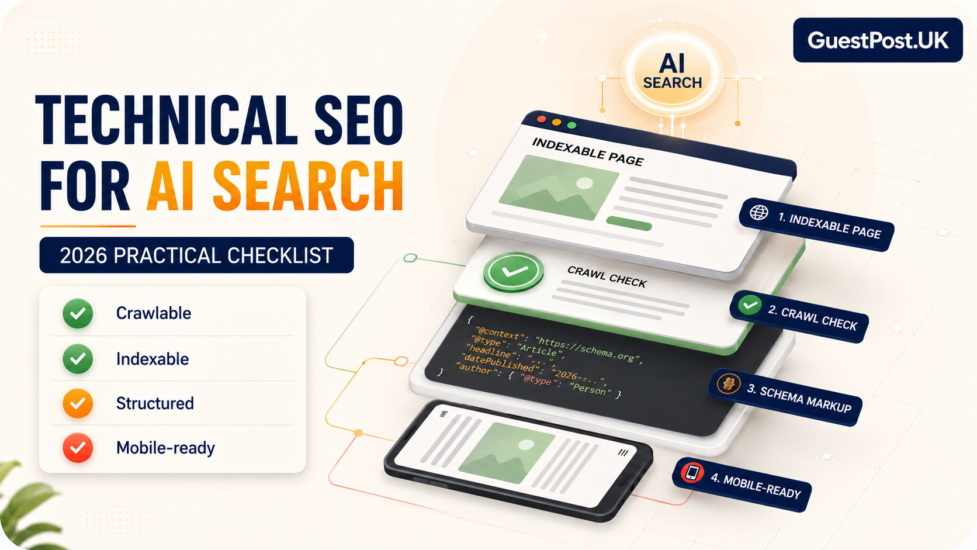
- Technical prioritisation: helping interpret crawl issues, missing metadata, duplicate-page risks and other tasks that need human review.
- Reporting and workflow support: summarising changes, keeping content plans organised and highlighting where attention may be needed next.
The key word is support. A reliable workflow uses AI to create a stronger first draft, not to publish large volumes of generic text. Check every recommendation against your actual services, audience, website data, and commercial goals.
For example, a keyword tool may suggest dozens of phrases around “accounting software for small businesses”. That does not mean every phrase deserves its own page. A human editor still needs to decide which terms reflect real customer needs, which pages to combine, and whether the business can offer a credible answer.
This is where a focused toolkit is more useful than paying for every new platform. Start with a clear problem: perhaps you need better topic ideas, more organised keyword research or faster content briefs. Our SEO Tools hub and Keyword Research Tools can help you explore those early stages without treating AI-generated suggestions as final SEO decisions.
Small businesses usually get better results from a simple process: research the opportunity, create a useful page, review it carefully, publish it where it fits your site structure and then measure what happens. AI can speed up that process, but the strategy still comes first.
Choosing the Right Type of AI SEO Tool
No single “best” AI SEO tool fits every small business. The right choice depends on the work you need to do, the data you already have, and the time you have to review output.
A business that needs topic ideas does not necessarily need an expensive enterprise SEO suite. Equally, a company managing hundreds of pages may outgrow a basic writing assistant quickly. The sensible approach is to choose tools by workflow rather than by hype.
| Tool type | Best use | Typical pricing approach | What still needs human review |
|---|---|---|---|
| AI writing assistant | Outlines, first drafts, rewrites and idea development | Free plans or lower monthly subscriptions | Accuracy, brand voice, claims, originality and final quality |
| Keyword research tool | Finding search terms, questions and related topics | Free tools through to paid subscriptions | Relevance, search intent and which keywords justify a page |
| All-in-one SEO platform | Competitor research, site audits, rankings and backlink analysis | Usually higher monthly subscriptions | Priorities, data interpretation and commercial decisions |
| Content optimisation platform | Reviewing page coverage and improving existing content | Mid-range monthly subscriptions or credits | Whether suggested terms actually improve the reader experience |
| AI visibility or GEO tool | Monitoring how brands appear in AI-generated search experiences | Varies widely; often an additional paid product | Source quality, visibility context and the actions worth taking |
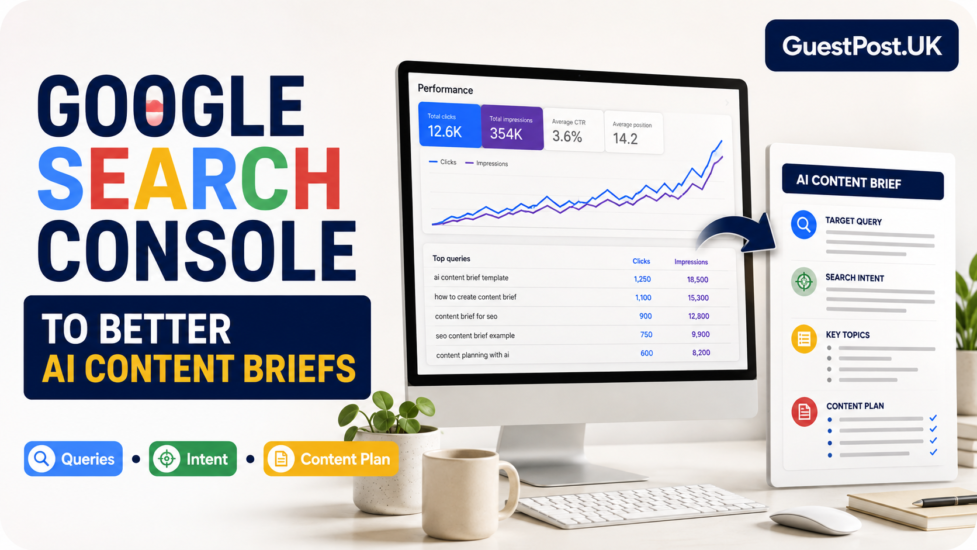
For a small team, the most practical starting combination is often one research tool, one writing assistant and a reliable measurement source such as Google Search Console. That is enough to identify opportunities, plan useful content and review whether pages are gaining impressions, clicks and visibility over time.
An all-in-one platform can become worthwhile when you need regular rank tracking, competitor comparisons, technical audits and backlink data in one place. It can reduce tab-switching and make reporting easier, but it is not always necessary in the early stages. Paying for a large platform before there is a clear workflow often leads to unused features and inconsistent output.
Content-focused AI tools are particularly useful for improving existing pages. They can help identify missing subtopics, structure a clearer brief or suggest questions readers may have. The best results come when the business owner, writer, or SEO specialist checks whether those suggestions are factually correct and genuinely useful.
For example, an AI platform may recommend adding broad definitions or repeated terms because competitors use them. That does not automatically mean they belong on your page. If the extra wording doesn’t clarify the service, answer a real question, or help a buyer decide, it can weaken the page rather than strengthen it.
Use AI to speed up planning, then make the final decision based on the customer. Our Content Planning Tools can help turn early research into structured content ideas, while our Generative Engine Optimisation services focus on the wider task of making useful, credible content easier to understand across modern search experiences.
The aim is not to automate everything. It is to use the right level of automation for the work that genuinely saves time.
Where AI Helps Most — and Where It Can Create Problems
AI is most useful when it helps a business move from a vague idea to a better decision. It can shorten research time, suggest content angles, organise information and make it easier to spot gaps in an existing page. It becomes risky when used to create large volumes of unreviewed content or to make claims that haven’t been checked.
A good use of AI is asking it to turn a service into ten customer questions, then selecting the two or three questions that genuinely matter. Another is using it to review a long article and identify where examples, explanations or clearer headings may be needed. It can also help create first-draft title ideas, meta descriptions and content briefs.
A poor use is publishing every output exactly as it appears. AI does not know your customers, your service delivery, your business priorities or whether a statement is still current. It can also repeat common wording from across the web, miss important context or sound confident when an answer needs evidence.
Keep these checks in every AI-assisted SEO workflow:
- Confirm facts, statistics, pricing, product details and legal or regulated advice from reliable sources.
- Add first-hand knowledge, real examples and clear explanations that a generic answer cannot provide.
- Check that the page answers the searcher’s actual question, not just repeating keywords.
- Review internal links so they lead readers to the most useful next page.
- Measure results after publishing instead of assuming a page is successful because it was created quickly.
For keyword research, use live suggestions and relevant data rather than asking an AI tool to invent search demand. The Google Keyword Tool can help identify useful autocomplete ideas, which you can then assess against your audience, products and existing pages.
Small businesses should also avoid buying several overlapping tools at once. Start with the task creating the biggest bottleneck. If your content is inconsistent, focus on research and planning. If you already have strong content but little visibility, review technical SEO, internal links and authority. If reporting is unclear, improve your measurement process before adding more software.
A Practical Starting Point
The best AI SEO setup is usually focused: use AI for research support, content planning, and time-saving review; use people for strategy, experience, accuracy, and quality control.
Build pages that are genuinely useful, keep your website structure clear, and use data to decide what to improve next. If you need help connecting these parts into a wider strategy, explore our SEO Services or Link Building Services.
AI can make good SEO work faster. It cannot make a weak strategy strong without careful human input.