
Many businesses are beginning to appear in ChatGPT, Perplexity, Gemini and Google AI results, yet see very little measurable referral traffic in Google Analytics. This creates an understandable question: if AI search is not sending many clicks, how can it possibly produce a return on investment?
The answer is that AI search ROI should not be measured by clicks alone.
AI answers often shorten the traditional research journey. A potential customer may ask ChatGPT for the best provider, compare brands, learn which product fits their needs, and later visit a website through a branded Google search, a direct visit, or another channel. In many cases, the AI recommendation influences consideration without producing a clean referral record.
That does not mean every mention of AI has value. It means businesses need a more realistic measurement framework. The best approach is to separate visibility, engagement, intent and commercial outcomes, then look for meaningful patterns over time.
If you are still building visibility, start with our guide to ranking in ChatGPT, Gemini, and Perplexity. The measurement work becomes far more useful once you know which prompts, pages and sources you are trying to influence.
Why ChatGPT traffic is often low
There are several reasons AI referral traffic may look disappointing.
First, many AI answers are zero-click. A user may receive a summary, shortlist or recommendation and never need to open a source. That is not ideal for direct traffic, but it can still create awareness.
Second, referral attribution is imperfect. Users may copy a brand name from ChatGPT, later search it on Google or type the domain directly into a browser. Analytics will often record that visit as organic, direct or unassigned rather than “ChatGPT”.
Third, AI platforms do not behave like conventional search engines. Two people can receive different answers depending on the exact wording, country, model, timing and the sources available. A single screenshot or one day of referral data is not enough to judge the channel.
Low AI referral traffic does not automatically mean low AI influence. It means the business needs to measure the whole decision journey, not just the final click.
The four levels of AI search ROI
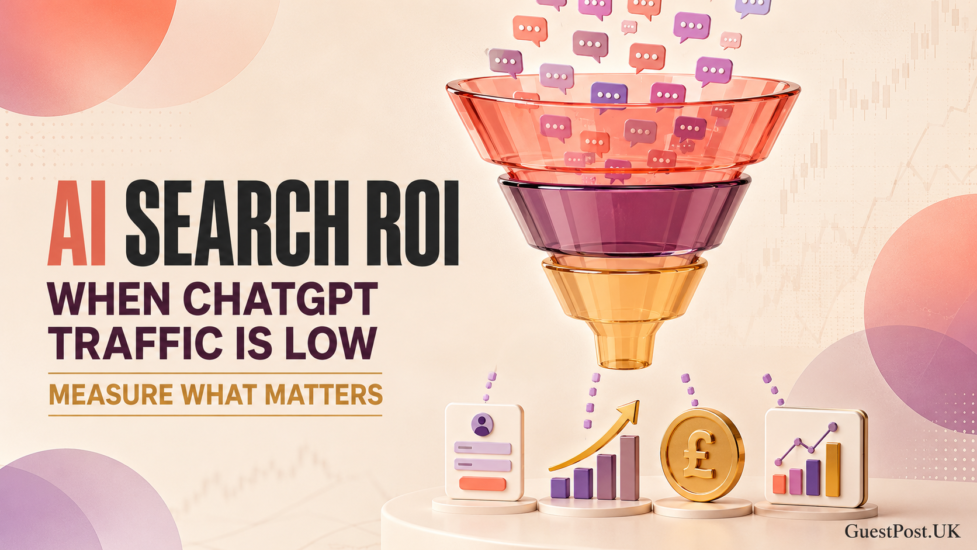
A useful reporting framework separates four stages.
1. Visibility
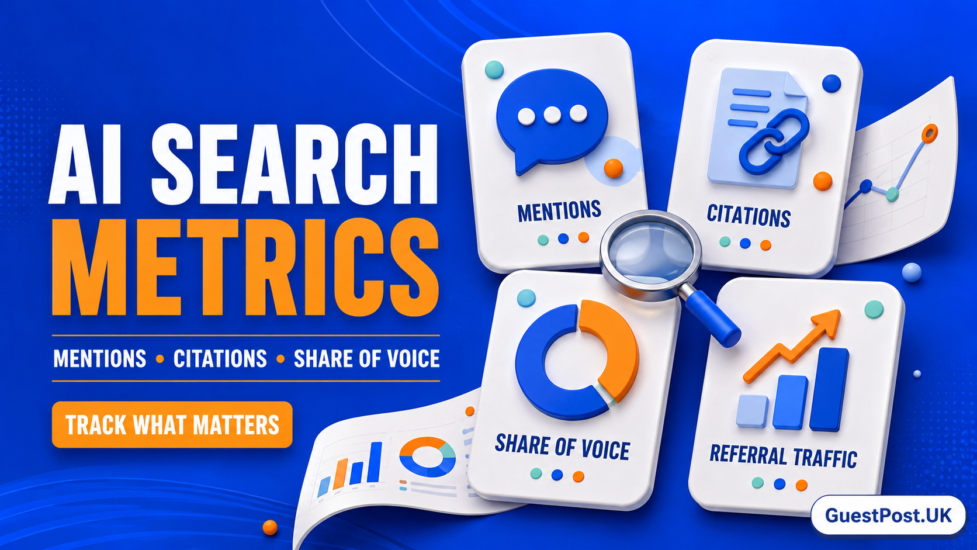
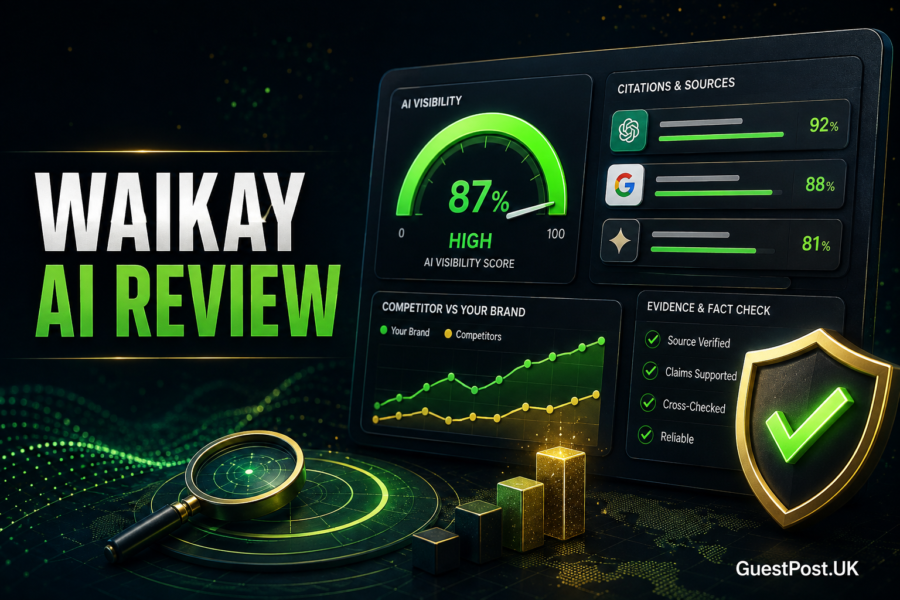
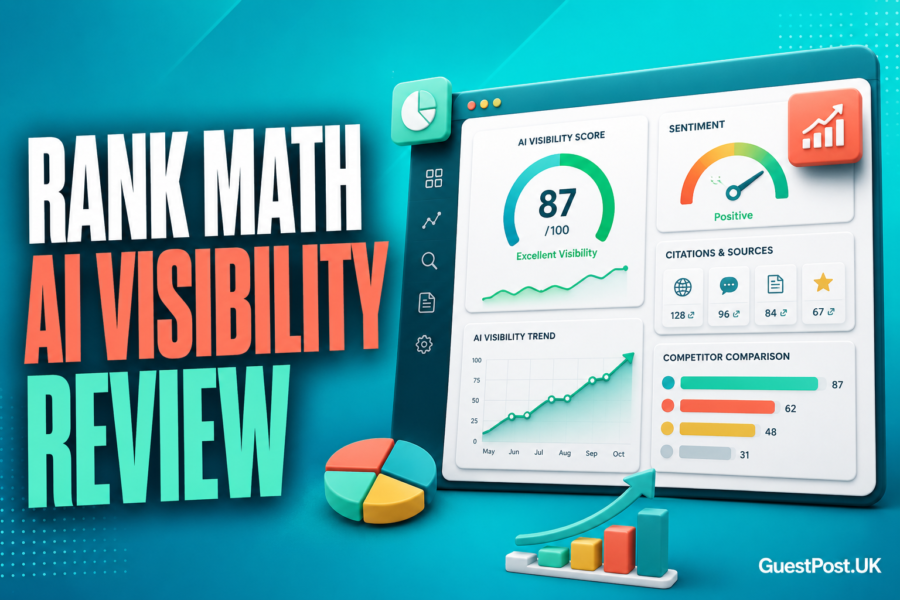
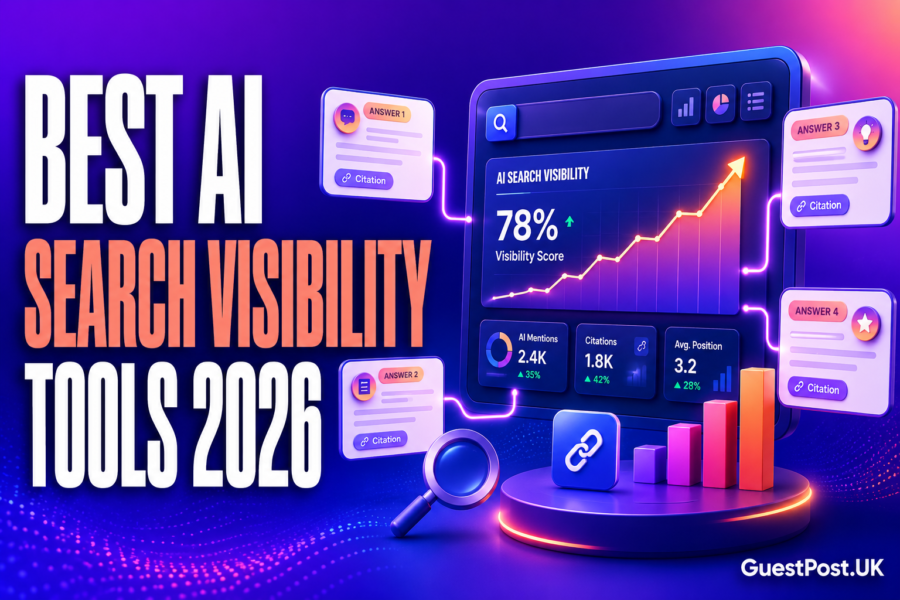
Visibility shows whether answer engines mention, recommend or cite your business for prompts that matter.
Track:
- Brand mentions
- Share of voice against competitors
- Average brand position in recommendations
- Sentiment of brand descriptions
- Citation count
- Number of cited service, product or editorial pages
- Visibility by platform, country and topic
A brand appearing in five irrelevant prompts is less valuable than a brand appearing in one high-intent query such as “best SEO agency for ecommerce businesses” or “reliable SIA training course in London”.
Use a stable prompt set each month. Include brand terms, commercial service questions, comparison questions, “best” searches, pricing queries and problem-led customer questions. Your LLM visibility checker can help establish a starting point.
2. Engagement and referral traffic
Next, measure the traffic that can be directly observed.
In GA4, create a channel group or exploration for known AI referrers. This may include traffic from ChatGPT, Perplexity, Gemini, Claude, or Copilot, depending on the available data. Track:
- Sessions
- Engaged sessions
- Engagement rate
- Landing pages
- Key events
- Form submissions
- Phone-click events
- Purchases or revenue
Also use UTM tags when you control a link shared from an AI campaign, tool, newsletter or downloadable resource. For example, utm_source=chatgpt.com can make a campaign link easier to identify, but it will not capture every natural AI recommendation.
AI referral traffic should be reported honestly. Do not inflate a small number of visits into a major acquisition story. Instead, show whether it is growing, which pages receive it and whether those visitors demonstrate commercial intent.
3. Intent signals
This is where low-click AI visibility can become more meaningful.
Look for changes in:
- Branded Google searches
- Direct traffic
- Searches for your brand plus service name
- Visits to key service or product pages
- Returning users
- Quote requests and contact-form starts
- Assisted conversions in GA4
- CRM lead-source notes
For example, a B2B company may receive only ten visible ChatGPT referrals in a month but see a 25% rise in branded searches and more enquiries mentioning a specific comparison phrase. That is not proof that AI caused every lead, but it is credible supporting evidence when it happens alongside increased AI visibility.
Ask sales teams to add a simple “How did you hear about us?” field to enquiries. Include options such as Google, ChatGPT or an AI assistant, recommendations, social media, and others. The answers will be incomplete, but they add human context that analytics cannot always provide.
4. Business outcomes
The final layer is commercial impact.
Track qualified leads, booked calls, sales, customer acquisition cost, revenue and pipeline value. Where possible, connect your CRM to GA4 and compare trends with your AI visibility work.
A basic ROI formula is:
AI search ROI = (Attributed or assisted revenue − AI search investment) ÷ AI search investment × 100
Be cautious with the word “attributed”. For a high-consideration service, AI search may be an assist rather than the last click. In those cases, report two numbers:
- Direct AI revenue: revenue from clearly identifiable AI referral sessions
- Influenced revenue: revenue from leads or journeys where AI visibility, branded demand and CRM evidence suggest an assisting role
Never present influenced revenue as guaranteed direct revenue. A balanced report is more credible and more useful.
Build a simple AI ROI dashboard
A practical dashboard should combine AI visibility data, Google Search Console, GA4 and CRM outcomes. Looker Studio works well for this because it can display multiple sources in a single client-friendly report.
Your dashboard should include:
| Section | What to show |
|---|---|
| AI visibility | Mentions, citations, sentiment and share of voice |
| Competitors | Brands appearing more often and the sources supporting them |
| Referral traffic | Sessions, engagement and landing pages from known AI platforms |
| Search demand | Branded clicks, impressions and related queries from Search Console |
| Conversions | Leads, calls, sales and assisted conversions |
| Actions | Content, technical fixes, internal links, outreach and PR completed |
The key is comparison. Compare the current period with the previous period, using the same prompts, competitors, platforms, and geographic market. Without a stable baseline, AI data can become misleading.
How to connect AI visibility to actual work
An AI visibility report should always lead to a specific action.
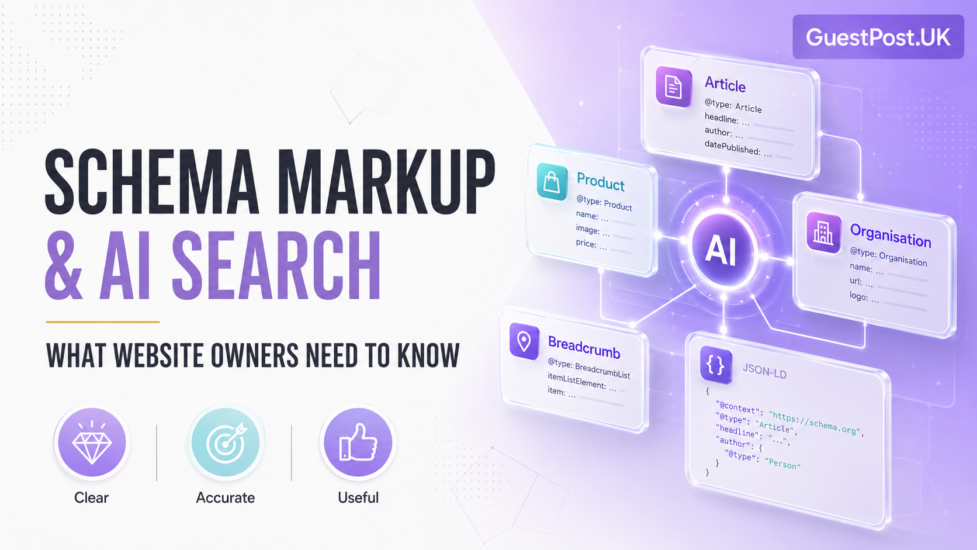
If competitors are being cited for pricing questions, improve your pricing information and FAQs. If AI platforms cite independent publisher coverage, build relevant authority through expert contributions and guest posting for AI search visibility. If important pages are not being cited, review their clarity, internal links, structured information and technical accessibility.
Useful actions include:
- Rewriting key service pages with direct, answer-first explanations
- Publishing comparison and alternatives content
- Adding genuinely useful FAQs, specifications and proof points
- Strengthening internal links to priority pages
- Improving reviews, location information and entity consistency
- Earning relevant third-party mentions and editorial links
- Fixing crawl, rendering and indexation issues
The goal is not to “optimise for a score”. It is to make the business easier to understand, trust and recommend.
What not to measure
Avoid treating these as standalone success metrics:
- One positive ChatGPT mention
- AI bot visits
- Raw citation totals without prompt context
- Low-quality referral traffic with no engagement
- A visibility score without competitor comparison
- Revenue claims based only on correlation
AI visibility changes quickly. A model update, a new source, or an altered prompt can change results overnight. Trends and commercial relevance matter more than one attractive metric.
Key Points
When ChatGPT traffic is low, the right response is not to dismiss AI search or to exaggerate its importance. Measure it properly.
Track whether your business is visible for valuable prompts, whether competitors are cited more often, whether branded demand and referral traffic are improving, and whether leads or revenue are beginning to follow. Then connect those insights to content, technical SEO, digital PR and authority-building work.
That gives you a fair view of AI search ROI: not a promise that every mention becomes a sale, but a clear way to identify whether stronger visibility is helping the business earn attention, trust and qualified demand.