
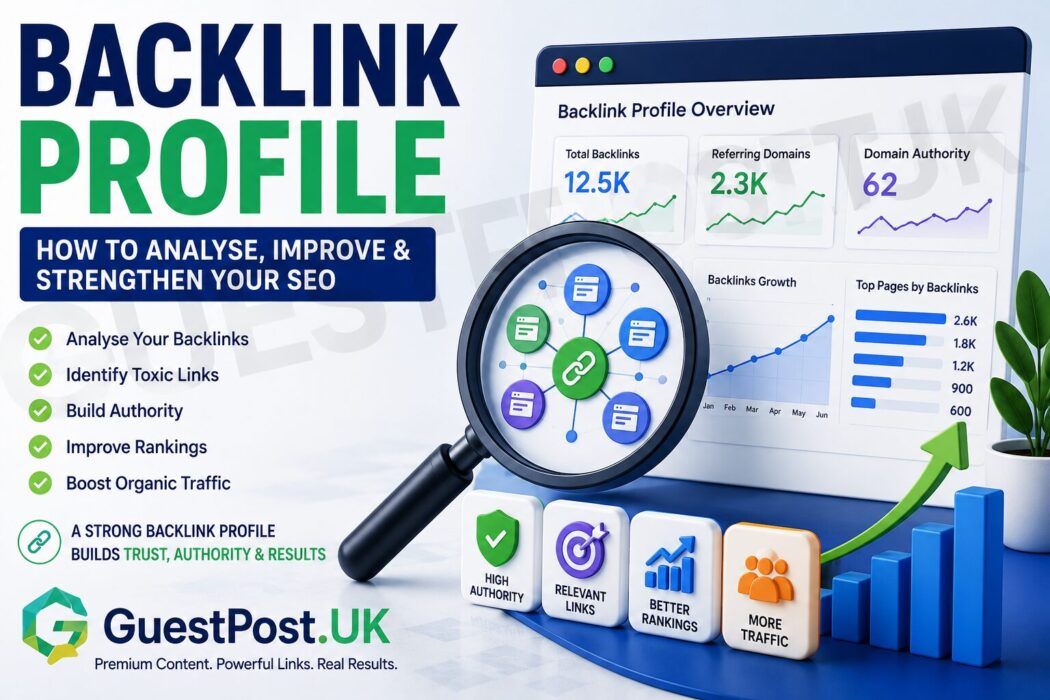
Your backlink profile is one of the strongest indicators of your website’s authority, credibility and long-term SEO potential. While Google’s algorithm evaluates hundreds of ranking signals, backlinks continue to play a significant role in determining how trustworthy your website appears compared with competitors.
However, modern SEO is no longer about collecting as many backlinks as possible. Google’s algorithms have become exceptionally good at evaluating the quality, relevance and natural growth of a backlink profile. A website with fewer high-quality editorial links will often outperform another with thousands of low-value backlinks.
Whether you manage a business website, SaaS platform, e-commerce store or digital publication, understanding your backlink profile helps you make informed decisions about link building, guest posting and competitor analysis.
In this guide, you’ll learn:
- What a backlink profile is
- Why backlink profiles matter for SEO
- How Google evaluates backlinks
- The characteristics of a healthy backlink profile
- Common backlink profile mistakes
- The best tools for analysing backlinks
- Practical ways to strengthen your backlink profile
You’ll also discover how to identify potentially harmful links and build a sustainable link acquisition strategy that supports long-term organic growth.
What Is a Backlink Profile?
A backlink profile is the complete collection of external websites linking to your domain or individual webpages.
Every backlink contributes to your overall link profile, but not every backlink carries the same value.
Google evaluates factors such as:
- The authority of the referring website
- Relevance between both websites
- Link placement within the content
- Anchor text
- Diversity of referring domains
- Link attributes (follow or nofollow)
- Overall trustworthiness of the linking site
Rather than viewing backlinks individually, Google assesses the overall pattern they create.
For example, a website earning links naturally from respected industry publications presents a much stronger backlink profile than one receiving hundreds of links from unrelated directories or spam websites.
Why Your Backlink Profile Matters
Backlinks act as recommendations.
When authoritative websites link to your content, they indicate that your page provides useful information worth referencing.
A strong backlink profile can help improve:
- Organic rankings
- Search visibility
- Domain authority metrics
- Referral traffic
- Brand recognition
- Content discovery
- Indexing efficiency
For competitive keywords, backlinks often become one of the deciding factors when multiple pages offer similar levels of content quality.
That said, backlinks work best alongside excellent content and sound technical SEO. If your website has underlying issues, a comprehensive SEO audit can reveal technical problems that may be limiting your performance, alongside link-related weaknesses. For example, our SEO Audit service explains how technical issues and backlink quality work together to influence rankings:
How Google Evaluates a Backlink Profile
Google does not simply count backlinks.
Instead, it attempts to understand the overall quality and natural development of your backlink profile.
Although the exact algorithm remains confidential, years of official guidance and industry testing suggest Google considers several key areas.
Relevance
Relevance is one of the strongest indicators of backlink quality.
For example:
A marketing blog linking to an SEO guide makes perfect sense.
A casino website linking to a plumbing company does not.
The closer the topical relationship between both websites, the more valuable the backlink is likely to be.
Authority
Links from trusted, established websites generally carry greater weight than links from newly created or low-quality domains.
Authority is influenced by factors such as:
- Editorial standards
- Content quality
- Industry reputation
- Natural backlink profile
- Historical trust
Google evaluates these characteristics internally rather than relying on third-party metrics such as Domain Authority or Domain Rating.
Editorial Placement
Where a backlink appears also matters.
Generally speaking, links placed naturally within high-quality editorial content provide greater value than links found in:
- Footers
- Sidebars
- Author profile spam
- Large directory lists
- Comment sections
Editorial context helps Google understand why the link exists.
Natural Growth
Healthy backlink profiles grow steadily over time.
Sudden spikes involving thousands of identical backlinks from unrelated websites can appear manipulative.
Google’s SpamBrain systems have become increasingly effective at identifying unnatural link patterns, making sustainable link acquisition more important than ever.
What Makes a Healthy Backlink Profile?
There is no perfect backlink profile because every website operates in a different niche.
However, strong websites often share several common characteristics.
Diverse Referring Domains
Instead of receiving hundreds of backlinks from the same website, healthy backlink profiles usually attract links from many different referring domains.
For example:
- Industry blogs
- News websites
- Universities
- Business organisations
- Resource pages
- Relevant directories
- Professional publications
Greater diversity generally indicates broader recognition within your industry.
Relevant Backlinks
Topical relevance matters far more than volume.
Ten backlinks from respected SEO websites often provide greater value than one hundred links from unrelated websites.
This is why businesses investing in high-quality guest posting and blogger outreach campaigns typically achieve more sustainable results than those pursuing mass link building.
A well-planned outreach campaign focuses on earning contextual editorial links from relevant publications rather than simply increasing backlink numbers. You can explore proven outreach strategies here:
Follow Links vs Nofollow Links
Not every backlink passes the same SEO value.
One of the most important distinctions within a backlink profile is whether a link is follow or nofollow.
Follow Links
A follow link allows Google to use the backlink as part of its ranking systems.
Although Google no longer explicitly uses the old “PageRank flow” terminology publicly, follow links generally contribute more directly to authority and organic rankings.
Examples include:
- Editorial mentions
- Guest posts
- Resource page links
- Industry recommendations
- News publications
These are typically the most valuable links within a healthy backlink profile.
Nofollow Links
Nofollow links contain an attribute that tells search engines the link should not necessarily influence rankings.
However, that does not make them worthless.
Nofollow links can still provide:
- Referral traffic
- Brand visibility
- Natural link diversity
- Increased trust
- Future linking opportunities
Many websites naturally attract a mixture of follow and nofollow links.
Sponsored and UGC Link Attributes
Google also introduced additional link attributes to improve transparency.
Sponsored
Used for:
- Paid placements
- Advertisements
- Sponsored articles
- Affiliate relationships
UGC (User Generated Content)
Used for:
- Forum posts
- Blog comments
- Community discussions
- User profiles
Google recommends using these attributes appropriately rather than attempting to disguise paid links as editorial recommendations.
Anchor Text and Why It Matters
Anchor text is the clickable text users see within a hyperlink.
Google uses anchor text as one signal to understand what the linked page is about.
For example:
Natural anchor text
- Learn more about our SEO audit
- Technical SEO checklist
- Comprehensive keyword research guide
Over-optimised anchor text
- best cheap SEO agency UK
- buy backlinks now
- cheap link building services
An excessive number of identical keyword-rich anchors may appear manipulative.
Healthy Anchor Text Distribution
A natural backlink profile typically contains a mixture of:
- Brand anchors
- Naked URLs
- Generic anchors
- Partial-match anchors
- Exact-match anchors (used sparingly)
This variety reflects how people naturally reference websites online.
What Does a Healthy Backlink Profile Look Like?
Rather than chasing arbitrary metrics, focus on creating a backlink profile that grows naturally.
Healthy backlink profiles usually include:
- Relevant referring domains
- Editorial backlinks
- Diverse anchor text
- Steady growth over time
- Links from multiple website types
- Few spam signals
- Strong topical relevance
Example
Imagine two SEO agencies.
Agency A
- 180 referring domains
- Industry blogs
- Marketing websites
- SaaS publications
- Business news
- Guest contributions
- Brand mentions
Agency B
- 2,500 backlinks
- Directory submissions
- Forum profiles
- Comment spam
- Unrelated websites
- Keyword-stuffed anchors
Although Agency B has significantly more backlinks, Agency A almost certainly has the stronger backlink profile.
Quality consistently outweighs quantity.
Signs of a Toxic Backlink Profile
Not every backlink benefits your website.
While Google’s systems have become much better at simply ignoring low-quality links, an unhealthy backlink profile can still indicate poor SEO practices.
Warning signs include:
- Large numbers of spam domains
- Irrelevant foreign-language websites
- Excessive exact-match anchor text
- Sitewide footer backlinks
- Paid link schemes
- Private Blog Networks (PBNs)
- Automated backlink software
- Link exchanges on a large scale
Should You Disavow Toxic Links?
Google has repeatedly stated that most websites do not need to use the Disavow Tool.
In many cases, Google’s algorithms simply ignore spammy backlinks.
Disavowing links is generally appropriate only when:
- You previously participated in link schemes.
- You have received a manual action.
- There is strong evidence of manipulative backlinks affecting your site.
For most businesses, investing time in earning better links is far more valuable than obsessively removing every poor-quality backlink.
How to Analyse Your Backlink Profile
Regular backlink analysis helps you understand both your strengths and opportunities.
A structured review typically follows these steps.
Step 1: Review Referring Domains
Instead of counting backlinks, examine the number of unique websites linking to you.
Ask:
- Are these domains relevant?
- Are they trustworthy?
- Do they have genuine traffic?
- Would you be happy if a customer visited them?
Step 2: Review Anchor Text
Look for patterns.
Healthy reports normally show:
- Brand names
- Website URLs
- Natural phrases
- Generic anchors
Large numbers of identical commercial keywords should be investigated.
Step 3: Identify Your Strongest Pages
Some pages naturally attract more backlinks than others.
These often include:
- Ultimate guides
- Research reports
- Free tools
- Industry statistics
- Original case studies
Understanding why these pages earn links helps you create more successful content in the future.
For example, publishing comprehensive educational resources—similar to our Google Ranking Factors guide—
https://guestpost.uk/google-ranking-factors
—or in-depth tutorials like the Website Migration SEO Guide—
https://guestpost.uk/website-migration-seo
—creates valuable assets that naturally attract backlinks over time.
Step 4: Compare Competitors
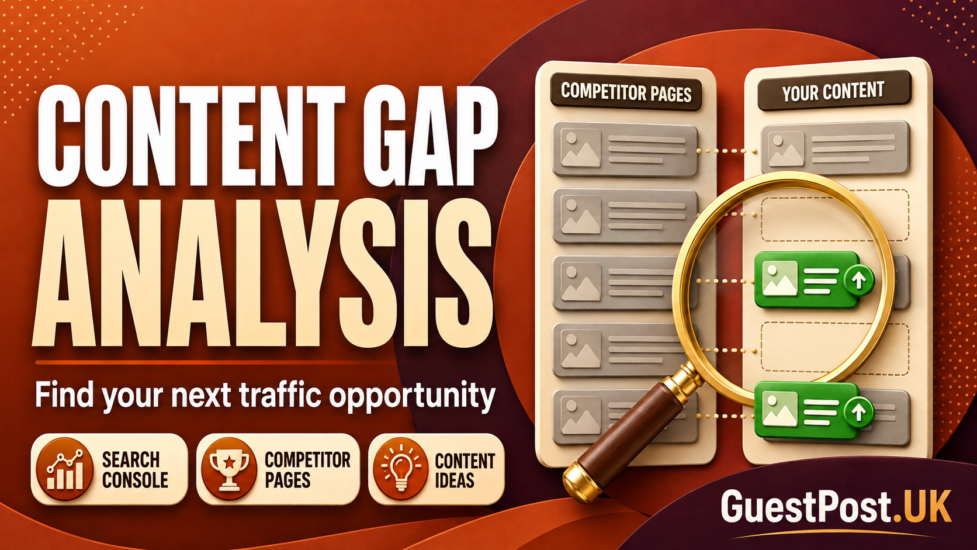
Competitor analysis often reveals valuable opportunities.
Ask questions such as:
- Which websites link to competitors but not to you?
- Which content attracts the most links?
- Which industries mention them regularly?
- Which guest posting opportunities exist?
This process frequently uncovers high-quality outreach targets.
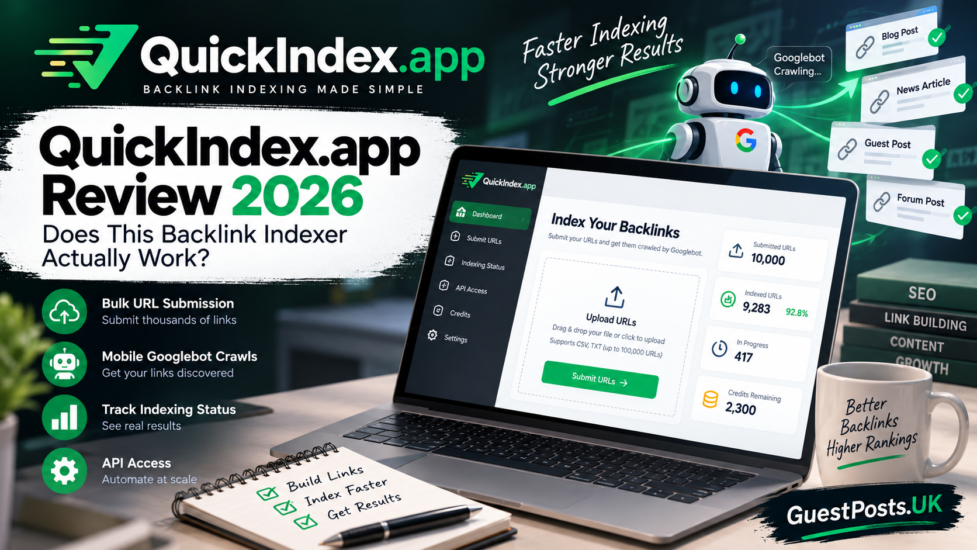
Best Tools for Backlink Profile Analysis
Several SEO tools provide backlink data, each with different strengths.
| Tool | Best For | Strengths | Limitations |
|---|---|---|---|
| Google Search Console | Website owners | Free, Google’s own data | Limited historical reporting |
| Ahrefs | Link analysis | Excellent backlink database | Premium pricing |
| Semrush | All-round SEO | Backlinks plus keyword research | Higher learning curve |
| Majestic | Link intelligence | Trust Flow and Citation Flow metrics | Smaller feature set outside backlinks |
| Moz Pro | Beginners | Easy-to-understand metrics | Smaller backlink index |
Which Tool Should You Choose?
Beginners
Google Search Console provides an excellent starting point because it shows the backlinks Google has actually discovered.
Freelancers and Consultants
Ahrefs and Semrush provide much deeper competitor analysis and historical backlink data.
Agencies
Using multiple tools often provides the most complete picture because every backlink database differs slightly.
How to Improve Your Backlink Profile
A strong backlink profile is built over time through consistent, high-quality SEO efforts rather than shortcuts.
Instead of asking, “How can I get more backlinks?”, a better question is, “How can I create content that other websites genuinely want to reference?”
The following strategies have consistently proven effective across a wide range of industries.
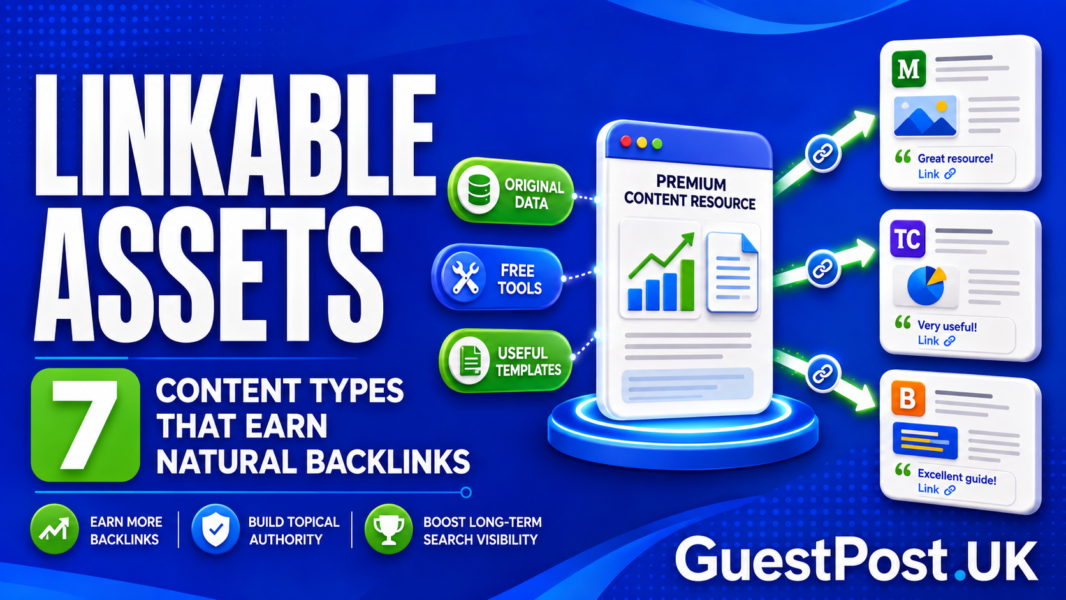
Create Link-Worthy Content
Some content naturally attracts backlinks because it offers lasting value.
Examples include:
- Comprehensive guides
- Original research
- Industry statistics
- Case studies
- Free SEO tools
- Templates and checklists
- Infographics
- Data-driven reports
For example, an in-depth guide explaining Google Ranking Factors or Website Migration SEO is far more likely to earn editorial backlinks than a short promotional article.
Invest in Guest Posting
Guest posting remains one of the most effective ways to earn relevant editorial backlinks when carried out correctly.
The emphasis should always be on publishing valuable content for real audiences rather than acquiring links for SEO’s sake.
High-quality guest posting offers several benefits:
- Relevant backlinks
- Increased brand awareness
- Referral traffic
- Industry credibility
- Relationships with publishers
If you’re looking to build authoritative backlinks through genuine editorial placements, explore our Guest Posting Services:
Use Blogger Outreach
Rather than waiting for websites to discover your content, proactive outreach can significantly increase backlink opportunities.
Successful outreach focuses on:
- Relevant publications
- Personalised emails
- Valuable content suggestions
- Long-term relationships
- Editorial collaboration
Mass email campaigns with generic templates rarely produce quality backlinks.
Thoughtful outreach consistently delivers better results.
Learn more about our Blogger Outreach Services:
Earn Links Through Digital PR
Digital PR combines traditional public relations with modern SEO.
Instead of asking for backlinks directly, businesses create stories, research or campaigns that journalists naturally want to reference.
Examples include:
- Industry surveys
- Original statistics
- Market reports
- Interactive tools
- Expert commentary
- Newsworthy case studies
Editorial links earned through Digital PR are often among the strongest backlinks a website can receive.
Build Resource Pages
Many organisations maintain curated resource pages linking to useful industry content.
If you’ve created genuinely valuable resources, reaching out to these websites can generate highly relevant editorial backlinks.
Examples include:
- Universities
- Professional associations
- Government organisations
- Industry blogs
- Educational websites
Because these links are editorially chosen, they often carry significant trust.
Common Backlink Profile Mistakes
Many websites struggle to improve rankings not because they lack backlinks, but because they build them incorrectly.
Here are some of the most common mistakes.
Chasing Quantity Over Quality
A website with 150 authoritative backlinks often outperforms another with 10,000 low-quality links.
Always prioritise relevance and editorial quality.
Ignoring Topical Relevance
Links from unrelated industries contribute far less value.
A marketing agency benefits far more from links on SEO, advertising and business websites than from unrelated niches.
Using Over-Optimised Anchor Text
Repeating the same keyword-rich anchor hundreds of times creates an unnatural backlink profile.
Natural diversity is far healthier.
Neglecting Internal Links
External backlinks are important, but internal linking helps distribute authority throughout your website.
Whenever appropriate, connect related resources together.
For example:
- Google Ranking Factors
- Keyword Research Guide
- Website Migration SEO
- Link Building Guides
- Technical SEO Articles
This strengthens topical authority while improving navigation.
Building Links Too Quickly
Natural backlink profiles usually grow steadily.
Sudden spikes involving thousands of links from unrelated websites may trigger spam detection systems.
Consistency almost always outperforms aggressive short-term campaigns.
Healthy vs Unhealthy Backlink Profile
| Healthy Profile | Unhealthy Profile |
|---|---|
| Relevant websites | Unrelated websites |
| Editorial backlinks | Paid link schemes |
| Natural anchor diversity | Repeated exact-match anchors |
| Steady growth | Sudden unnatural spikes |
| Industry authority | Spam directories |
| High-quality content | Thin, low-value pages |
| Diverse referring domains | Thousands of links from a few domains |
When reviewing your own website, compare your backlink profile against these characteristics rather than focusing solely on backlink numbers.
Backlink Growth Trend (Example)
A healthy backlink profile rarely grows in dramatic bursts.
Instead, it often follows a gradual upward trend.
High Authority
      ▲
250 ┤                               ●
225 ┤                            ●
200 ┤                         ●
175 ┤                      ●
150 ┤                   ●
125 ┤                ●
100 ┤             ●
 75 ┤          ●
 50 ┤       ●
 25 ┤    ●
  0 └──────────────────────────────────► Time

Steady, natural growth through quality content,
guest posting, outreach and digital PR.
Compare that with an unnatural pattern:
High Authority
      ▲
250 ┤                 ●●●●●●●●●●●
225 ┤
200 ┤
175 ┤
150 ┤
125 ┤
100 ┤
 75 ┤
 50 ┤
 25 ┤ ●
  0 └────────────────────────────────► Time

Sudden link spikes from low-quality sources
can appear manipulative.
Google generally favours sustainable growth that reflects genuine popularity rather than artificial link acquisition.
Backlink Profile vs Domain Authority
Many people confuse backlink profiles with third-party authority metrics.
Although related, they are not the same.
| Backlink Profile | Domain Authority (or Similar Metrics) |
|---|---|
| Google’s overall assessment of backlinks | Third-party predictive metric |
| Based on link quality, relevance and trust | Calculated using proprietary algorithms |
| Used internally by Google’s ranking systems | Used for comparative analysis |
| Cannot be measured directly | Visible in SEO tools |
| Influences rankings | Does not directly influence Google rankings |
Metrics such as Domain Authority (Moz), Domain Rating (Ahrefs) and Authority Score (Semrush) are useful for comparison, but they should never become your primary SEO objective.
Focus on earning genuine editorial backlinks rather than chasing numerical scores.
Frequently Asked Questions
What is a backlink profile?
A backlink profile is the complete collection of external websites linking to your domain or webpages. Google evaluates the quality, relevance and diversity of these backlinks when assessing website authority.
How can I check my backlink profile?
You can analyse your backlink profile using tools such as Google Search Console, Ahrefs, Semrush, Majestic or Moz Pro.
How many backlinks does a website need?
There is no ideal number.
A small website with fifty high-quality backlinks may outperform a competitor with thousands of low-value links. Quality and relevance consistently matter more than volume.
Can bad backlinks hurt SEO?
Google now automatically ignores many spammy backlinks.
However, participating in manipulative link schemes or acquiring large numbers of artificial backlinks can still lead to manual actions or reduced trust.
How often should I audit my backlink profile?
For most websites, reviewing backlinks every three to six months is sufficient.
Businesses operating in competitive industries or running active link-building campaigns may benefit from monthly reviews.
Building a Stronger Backlink Profile
A strong backlink profile is built on trust, relevance and consistency—not shortcuts.
Google’s algorithms have become exceptionally good at recognising natural editorial links while ignoring or discounting manipulative tactics. Businesses that prioritise high-quality content, genuine relationships and sustainable outreach consistently achieve stronger long-term SEO performance.
If you’re new to SEO, begin by producing valuable resources that deserve links and use Google Search Console to monitor your backlink profile.
If you’re managing a growing business, tools such as Ahrefs or Semrush provide deeper competitor analysis and link opportunities.
For agencies and experienced SEO professionals, combining advanced backlink analysis with digital PR, guest posting and strategic outreach delivers the strongest results.
Ultimately, the goal isn’t simply to build more backlinks—it’s to build a backlink profile that reflects genuine authority within your industry. When supported by excellent content, technical SEO and logical internal linking, that authority becomes a powerful driver of sustainable organic growth.