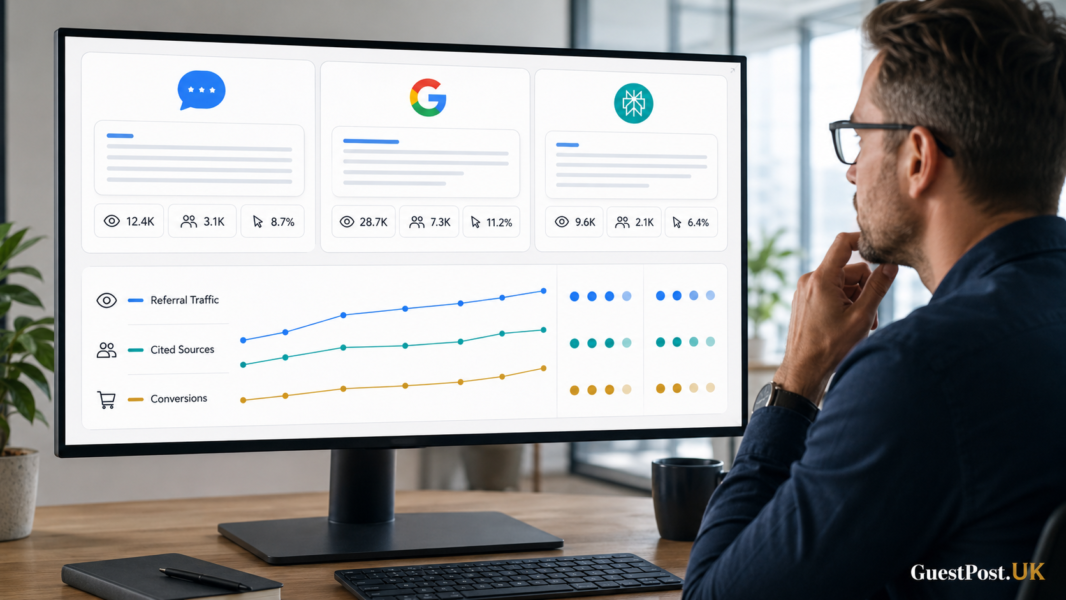

A rise in organic traffic is always welcome, but it does not automatically mean your SEO campaign is reaching new people.
If someone already knows your company and searches for its name, they are likely to click your site. That is branded search. If a person discovers your website by searching “guest posting services UK” or “how to build high-quality backlinks”, that is non-branded search. The two tell very different stories.
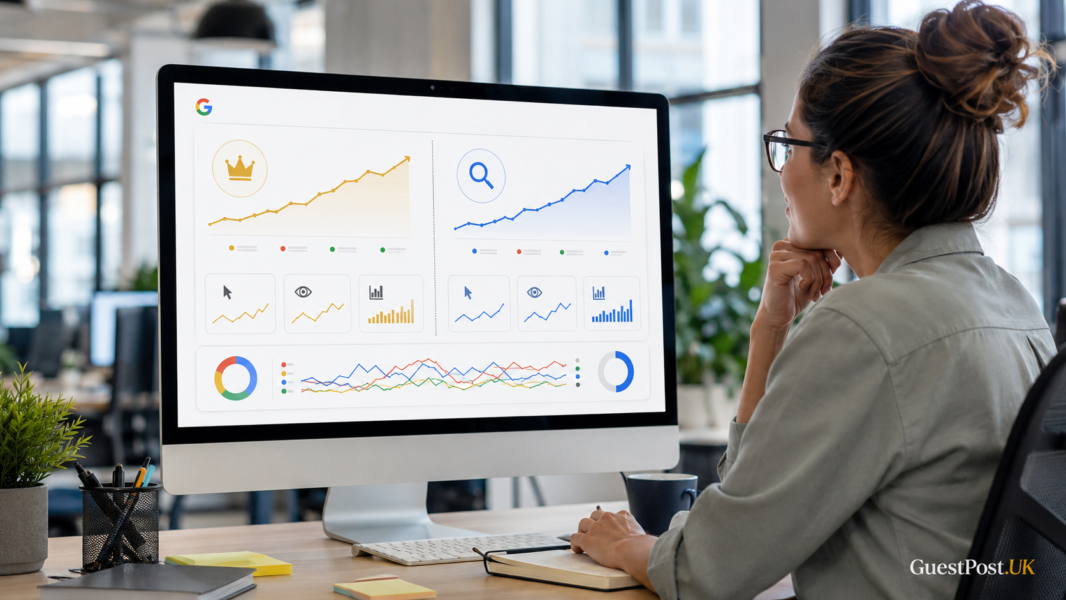
Google Search Console now makes it easier to separate them. Used properly, the branded queries filter can show whether your business is gaining awareness, whether your SEO is attracting a new audience and where your growth is actually coming from. If you are new to reporting, start with our Google Search Console guide before using the steps below.
What are branded and non-branded queries?
A branded query includes your business name, domain name, product name or a clear variation of it. Google also aims to recognise common misspellings and brand-specific services.
For example, a business called GuestPost.UK may receive branded searches such as:
- GuestPost.UK
- Guest Post UK reviews
- guestpost.uk login
- GuestPost UK pricing
Non-branded queries are broader searches that do not refer to the company directly:
- guest posting services
- buy editorial backlinks UK
- blogger outreach agency
- how to find quality guest post sites
Google explains that branded search usually comes from people already familiar with a website, while non-branded search can indicate growth in new audiences. Its native Search Console filter was introduced to automatically distinguish between the two query types. See Google’s explanation of the branded queries filter.
Why this changes SEO reporting
Without this split, a campaign report can make growth look stronger than it really is.
Imagine a company launches a PR campaign, becomes more recognised and receives more searches for its name. Organic clicks rise by 30%, which sounds excellent. However, if all the increase comes from branded searches, the website may not have improved its visibility for the commercial keywords that bring in new prospects.
The opposite can happen too. Non-branded impressions may grow strongly while total clicks remain flat because branded traffic has temporarily fallen. Without separating the data, the team might wrongly assume that SEO performance is weak.
The filter gives you a more useful question to answer:
Are we growing because more people already know us, because more new people can find us, or both?
For most businesses, both matter. Brand demand signals trust and awareness. Non-branded growth shows that content and service pages are attracting people before they know who you are.
How to find the branded queries filter
Open your property in Google Search Console, then go to Performance and select Search results.
At the top of the report, look for the query-type filter. You should be able to view:
- All queries
- Branded queries
- Non-branded queries
Choose one segment, then compare date ranges to see whether clicks, impressions, average position and click-through rate are improving. Export the data monthly if you want to build a longer-term report.
The filter is powered by Google’s automated classification, so it is useful but not perfect. Google notes that some queries can be labelled incorrectly, and the feature may not be available for low-impression websites or sub-properties. Check a sample of the queries manually before presenting major conclusions to a client.
What to look for in each segment
Branded search: measure recognition and trust
A healthy branded-search trend can reflect successful PR, social media activity, referrals, word-of-mouth, useful content, or a growing reputation.
Check whether branded impressions and clicks rise after:
- A digital PR campaign
- New guest-post placements on relevant publications
- Podcast, event or newsletter mentions
- A product launch or major service-page update
- Strong social content and audience engagement
Branded traffic also helps you protect your search presence. Review the queries and pages connected to your brand to ensure your homepage, review pages, contact details and key service pages are easy to find.
If branded clicks fall sharply, investigate whether there was less marketing activity, a reputational issue, a technical problem or competitor bidding on your brand name.
Non-branded search: measure genuine SEO discovery
For non-branded queries, focus on pages that are visible but not yet earning enough clicks. These are often the most actionable SEO opportunities.
Sort by impressions and ask:
- Which pages rank between positions 5 and 20?
- Which queries have a weak click-through rate despite deep impressions?
- Are several similar pages competing for the same term?
- Does the page fully match the searcher’s intent?
- Is there a more relevant service, guide or comparison page you should create?
This is where a keyword gap analysis becomes useful. Compare your non-branded visibility with that of competitors that consistently rank for the services, problems, and industries you want to target.
Use the data to report more honestly
A good monthly report should show branded and non-branded performance separately rather than blending them into a single number.
A simple format could include:
| Metric | Branded | Non-branded |
|---|---|---|
| Clicks | 1,240 | 860 |
| Impressions | 5,600 | 42,300 |
| Average position | 2.1 | 14.8 |
| Change from previous period | +18% | +9% |
Then explain what happened in plain language.
For example: “Branded clicks increased after the company’s PR activity and new industry placements. Non-branded impressions also rose, particularly for link-building and SEO service searches, indicating that the campaign is reaching new potential customers. The next focus is improving click-through rates on pages ranking between positions 8 and 15.”
That is more valuable than simply saying, “Organic traffic is up.”
Combine branded-search data with wider evidence
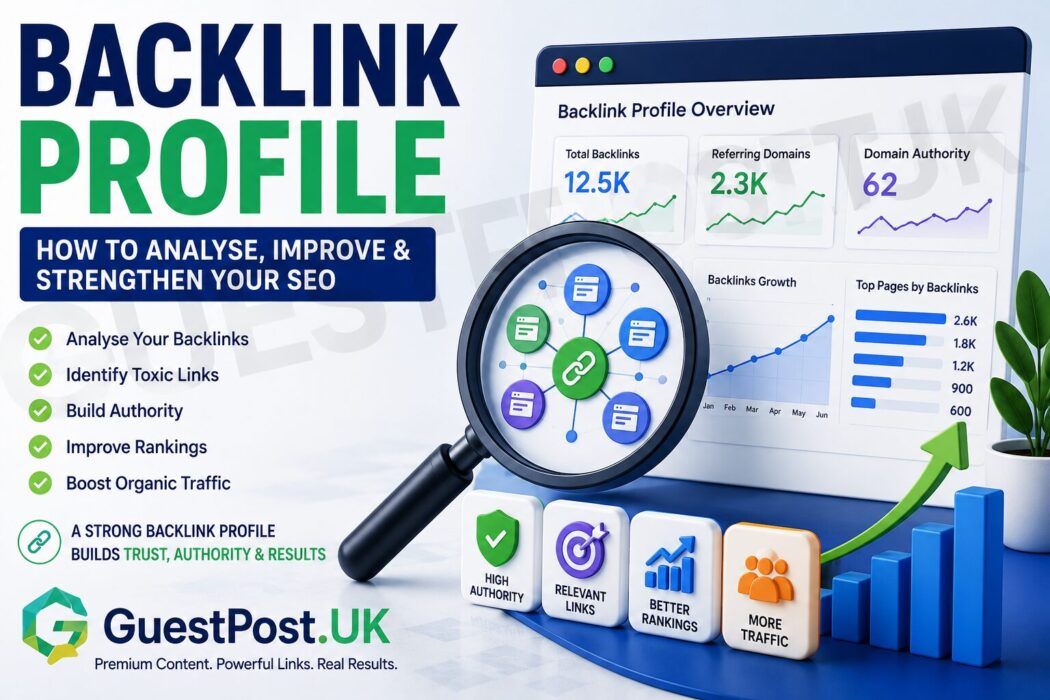
Search Console is powerful, but it should not be the only source of truth. Check GA4 to see whether branded and non-branded visitors behave differently after landing on the site. Do branded visitors convert more quickly? Do new visitors read guides first, then return later through a brand search?
You should also look at sales data, call tracking, direct traffic and lead-source information. A business may discover that an article or guest post mention does not produce an immediate click but creates brand awareness that leads to a search and enquiry weeks later.
This is particularly important for service businesses with longer decision cycles. A potential client may first find a helpful, non-branded guide, research the company, search for the brand name later, and only then request a quote.
Make the split part of your regular reporting
Branded queries should not be treated as “less valuable” traffic. They prove that people know and trust your business. But they should never hide whether your SEO work is improving discovery among people who have not yet heard of you.
Review both segments every month, record major marketing activity alongside the data, and use the findings to choose the next content, PR, and optimisation priorities. For clearer campaign reporting that connects visibility to meaningful actions, see our SEO client reporting service and SEO campaign planning.