
Why SEO for eCommerce Backlinks Matters More Than Ever
In the competitive world of online retail, ranking on page one is no longer optional. If your product pages aren’t visible, your competitors are capturing your traffic—and your revenue.
This is where SEO for eCommerce backlinks becomes critical.
Backlinks remain one of Google’s top ranking factors. According to multiple industry studies, pages with more high-quality backlinks tend to rank significantly higher in search results. In fact:
- Pages ranking #1 on Google have 3.8x more backlinks than those ranking #2–#10
- Over 66% of pages have zero backlinks, meaning even modest link building can create a strong competitive advantage
For eCommerce businesses, backlinks are not just about SEO—they’re about trust, visibility, and conversion potential.
Think of backlinks like recommendations in a busy marketplace. The more trusted vendors pointing customers to your shop, the more likely people—and search engines—are to trust you.
What Makes eCommerce Backlink SEO Different?
Unlike blogs or service-based websites, eCommerce stores face unique challenges:
- Product pages change frequently
- Thin or duplicate content issues
- Limited natural linkability
- Heavy competition in commercial keywords
This means SEO for eCommerce backlinks requires a more strategic and scalable approach.
Key Differences:
- Focus on category and product pages, not just blog content
- Greater emphasis on commercial intent links
- Need for scalable outreach systems
- Integration with content marketing and digital PR
Types of Backlinks That Work Best for eCommerce SEO
Not all backlinks are equal. For eCommerce, certain types deliver far better ROI.
Editorial Backlinks
These are earned through high-quality content and outreach.
Best for:
- Brand authority
- Long-term SEO growth
Guest Post Backlinks
Publishing content on relevant websites with contextual links.
Best for:
- Anchor text control
- Niche relevance
Product Mentions & Reviews
Links from bloggers reviewing your products.
Best for:
- Conversion-driven traffic
- Trust signals
Resource Page Links
Getting listed on curated industry pages.
Best for:
- High-authority links
- Passive traffic
Digital PR Links
Coverage from news sites and publications.
Best for:
- Brand visibility
- High DR backlinks
Core Strategies for SEO for eCommerce Backlinks
Content-Led Link Building
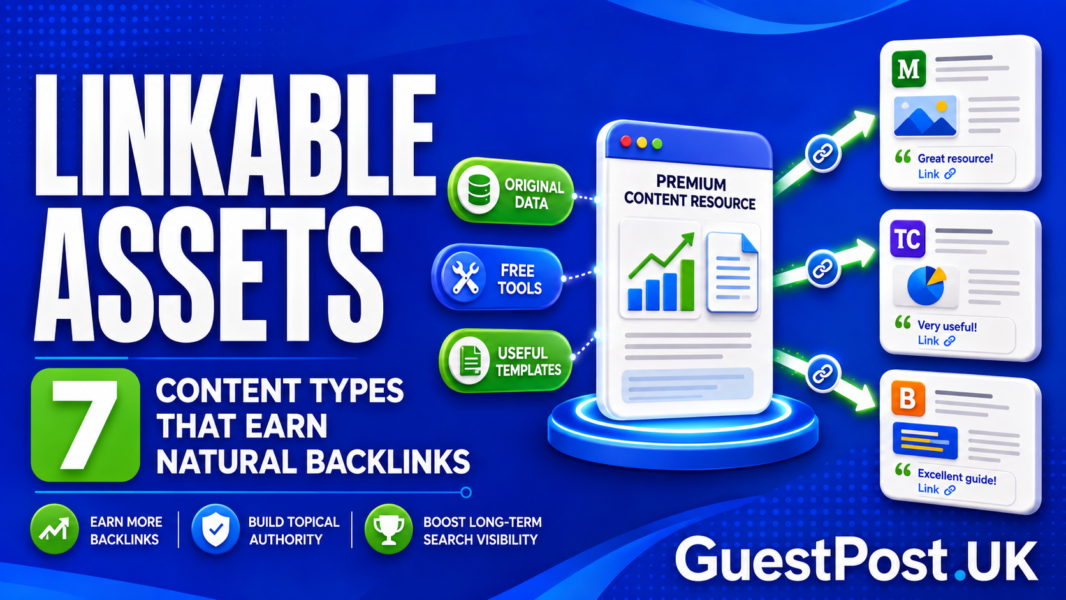
Creating link-worthy assets is the foundation.
Examples:
- Buying guides
- Industry statistics pages
- “Best of” comparisons
- Trend reports
These attract natural backlinks over time.
Guest Posting at Scale
Guest posting remains one of the most reliable methods.
Key tips:
- Focus on niche-relevant sites
- Avoid low-quality link farms
- Prioritise contextual placement
Broken Link Building
Find broken links on relevant sites and replace them with your content.
Benefits:
- High success rate
- Win-win for both parties
Competitor Backlink Analysis
Analyse what’s working for your competitors and replicate it.
Look for:
- Their top referring domains
- Anchor text distribution
- Content types earning links
Best Tools for eCommerce Backlink SEO (Comparison)
Choosing the right tools can significantly accelerate your link-building efforts.
Feature & Pricing Comparison
| Tool | Best For | Key Features | Pricing (Approx) | Ease of Use |
|---|---|---|---|---|
| Ahrefs | Deep backlink analysis | Link index, competitor insights | £80–£800/month | Medium |
| SEMrush | All-in-one SEO suite | Outreach tools, backlink audits | £100–£450/month | Easy |
| Moz | Beginner-friendly SEO | Domain authority, link tracking | £80–£300/month | Easy |
| BuzzStream | Outreach management | Email outreach, relationship tracking | £20–£100/month | Medium |
| Pitchbox | Advanced outreach | Automation, scalability | £300+/month | Advanced |
Ahrefs vs SEMrush vs BuzzStream: Which is Best?
Ahrefs
Best for:
- Advanced backlink analysis
- Competitor research
Pros:
- Industry-leading link database
- Accurate metrics
Cons:
- Expensive
- Limited outreach features
SEMrush
Best for:
- All-in-one SEO strategy
Pros:
- Integrated outreach tools
- Keyword + backlink synergy
Cons:
- Slightly less backlink depth than Ahrefs
BuzzStream
Best for:
- Outreach-focused campaigns
Pros:
- Excellent relationship management
- Affordable
Cons:
- No deep SEO analytics
Best Tool Based on Use Case
- Beginners: Moz or SEMrush
- Agencies: Ahrefs + Pitchbox
- Outreach-focused teams: BuzzStream
- Budget users: BuzzStream + free tools
Practical Link Building Workflow for eCommerce
Step-by-Step Process
- Identify target pages (categories/products)
- Conduct competitor backlink analysis
- Create linkable assets
- Build outreach lists
- Send personalised emails
- Track and scale results
Simple Backlink Growth Visual
Backlinks Growth Over Time

Month 1:  5 links
Month 2:  15 links
Month 3:  40 links
Month 4:  90 links
Month 5:  150 links

Traffic Impact:
   |
   |        *
   |      *
   |    *
   |  *
   | *
   |____________________
        Time →
This demonstrates how SEO for eCommerce backlinks compounds over time—early efforts create exponential growth.
Pros and Cons of eCommerce Backlink SEO
Advantages
- Improves organic rankings
- Drives referral traffic
- Builds brand authority
- Supports long-term growth
Disadvantages
- Time-intensive
- Requires consistent outreach
- Quality control is essential
Advanced Expert Tips for Faster Results
Focus on Commercial Pages
Most links go to blogs—but revenue comes from product pages.
Solution:
- Build links to category pages strategically
Use Anchor Text Variation
Avoid over-optimisation.
Use:
- Brand anchors
- Generic anchors
- Partial match keywords
Leverage Partnerships
Collaborate with:
- Influencers
- Suppliers
- Industry blogs
Build Linkable Assets Regularly
Consistency is key.
Aim for:
- 2–4 high-quality assets per quarter
Common Mistakes to Avoid
- Buying low-quality backlinks
- Ignoring relevance
- Overusing exact match anchors
- Neglecting internal linking
- Focusing only on homepage links
Conversion-Focused Link Building
Backlinks should not just drive traffic—they should drive sales.
Focus on:
- High-intent content placements
- Product reviews
- Comparison articles
- Buyer guides
How Long Does It Take to See Results?
Typical timeline:
- Month 1–2: Foundation building
- Month 3–4: Ranking improvements
- Month 5–6: Traffic growth
- Month 6+: Revenue impact
Consistency is the differentiator.
FAQ: SEO for eCommerce Backlinks
What is SEO for eCommerce backlinks?
It’s the process of acquiring high-quality links from external websites to improve the search rankings and authority of an eCommerce store.
How many backlinks does an eCommerce site need?
There’s no fixed number. Focus on quality over quantity. Even 20–50 strong links can outperform hundreds of weak ones.
Are paid backlinks worth it?
Only if they are high-quality and relevant. Avoid spammy link packages—they can harm your rankings.
Which pages should I build backlinks to?
Prioritise:
- Category pages
- High-converting product pages
- Linkable blog content
What’s the fastest way to build backlinks?
Guest posting and outreach campaigns tend to deliver the quickest results.
Do backlinks still matter in 2026?
Yes. Backlinks remain one of Google’s most important ranking signals.
Final Thoughts on SEO for eCommerce Backlinks
Mastering SEO for eCommerce backlinks is not about shortcuts—it’s about building a scalable, sustainable system.
The brands dominating search results today are those that:
- Invest in high-quality link acquisition
- Use the right tools
- Focus on long-term authority
If you want to outperform competitors, backlinks are not optional—they’re essential.
The opportunity is clear: while most eCommerce sites struggle to build links, those who do it properly gain a massive competitive advantage.