
The Search Engine War Is Over — The AI Discovery War Has Started
For more than two decades, search engines competed mostly on:
- speed
- indexing
- ranking quality
- link relevance
That era is ending.
The new competition is no longer:
“Who organises the internet best?”
It is:
“Who understands users best?”
That is why the AI search race suddenly exploded.
Now we have:
- Google Gemini
- Microsoft Copilot
- Perplexity AI
- ChatGPT Search
- Grok
- Claude
- Meta AI
- Duck.ai
- Brave Leo
- Yahoo Scout
all competing to become the next layer between humans and information.
And honestly, most people still underestimate how important this shift really is.
Because AI search is not just changing Google.
It is changing:
- SEO
- content marketing
- online discovery
- digital advertising
- research habits
- website traffic
- social visibility
- user psychology itself
What Is an AI Search Engine?
An AI search engine combines:
- conversational AI
- search indexing
- machine learning
- real-time retrieval
- answer generation
Instead of only showing lists of websites, AI search engines attempt to:
- explain information
- summarise topics
- answer conversational questions
- compare products
- guide research
- personalise discovery
This changes search behaviour dramatically.
Traditional search:
“show me pages”
AI search:
“help me understand”
That difference is reshaping the internet.
Why AI Search Engines Are Growing So Fast
Users are increasingly frustrated with:
- ad-heavy search results
- affiliate spam
- repetitive SEO pages
- fake reviews
- endless scrolling
- low-quality AI content
AI search engines often feel:
- faster
- cleaner
- simpler
- more conversational
- more efficient
That experience is addictive once users adapt to it.
The Biggest Shift: Search Is Becoming Conversation
Google trained people to search with keywords.
AI search engines train people to ask questions naturally.
Old behaviour:
- best ai tools
- cheap laptop belgium
- seo software comparison
New behaviour:
- “What is the best AI tool for content marketing?”
- “Which laptop is good for AI learning under €1000?”
- “Compare SEO tools for agencies managing multiple clients.”
This shift changes:
- keyword patterns
- SEO strategy
- content formatting
- search intent optimisation
completely.
Quick Overview of the Biggest AI Search Engines
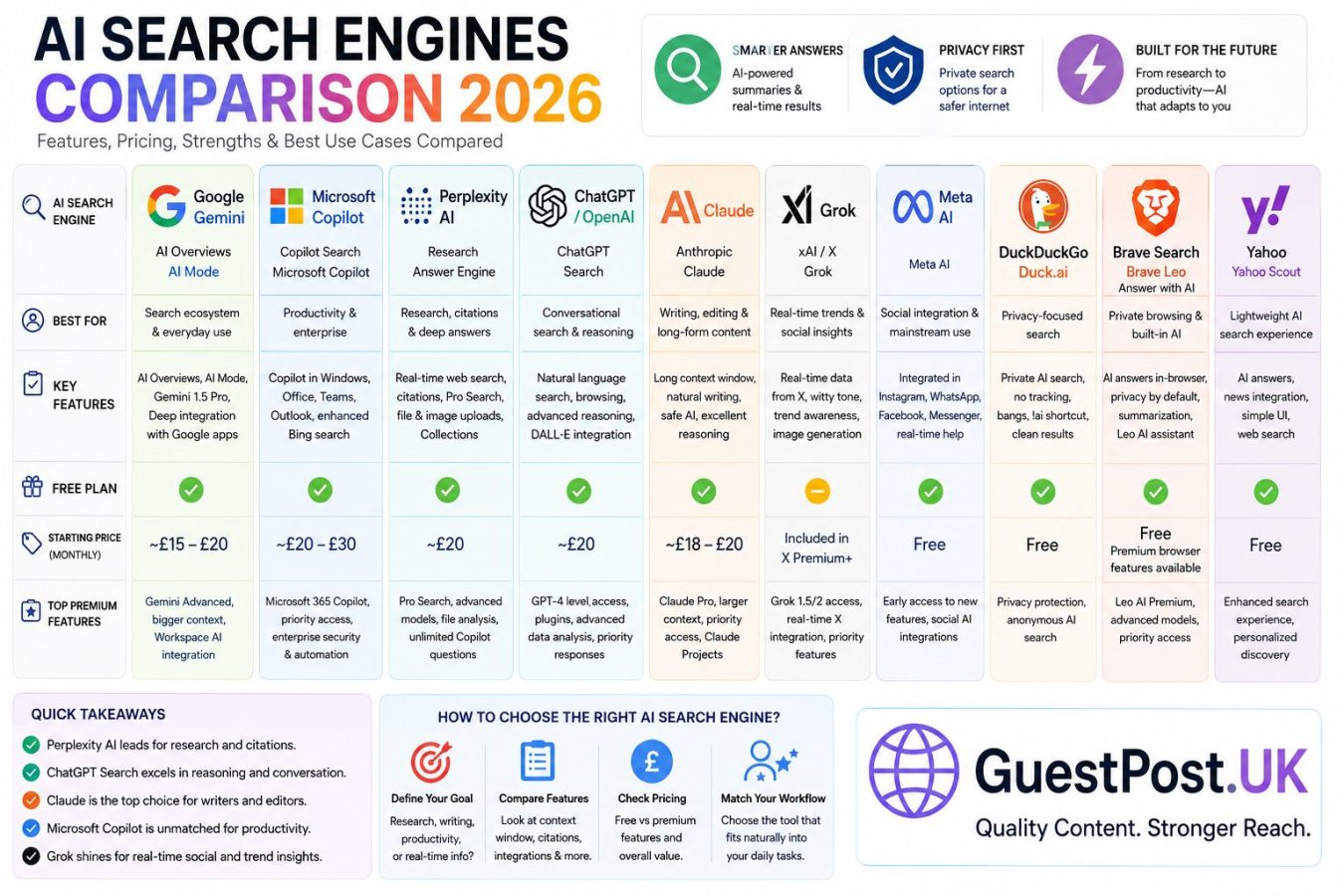
| Platform | Main Identity | Biggest Strength |
|---|---|---|
| Google Gemini | AI-powered Google ecosystem | Search dominance |
| Microsoft Copilot | Productivity AI | Microsoft integration |
| Perplexity AI | Research answer engine | Citations and summaries |
| ChatGPT Search | Conversational AI search | Reasoning and dialogue |
| Claude AI | Editorial AI assistant | Natural writing |
| Grok AI | Real-time social AI | Trend awareness |
| Meta AI | Social AI assistant | Massive distribution |
| Duck.ai | Privacy-focused AI | Simplicity and privacy |
| Brave Leo | Browser-native AI | Private browsing workflows |
| Yahoo Scout | Lightweight AI search | Simpler AI experience |
Now let’s go deeper.
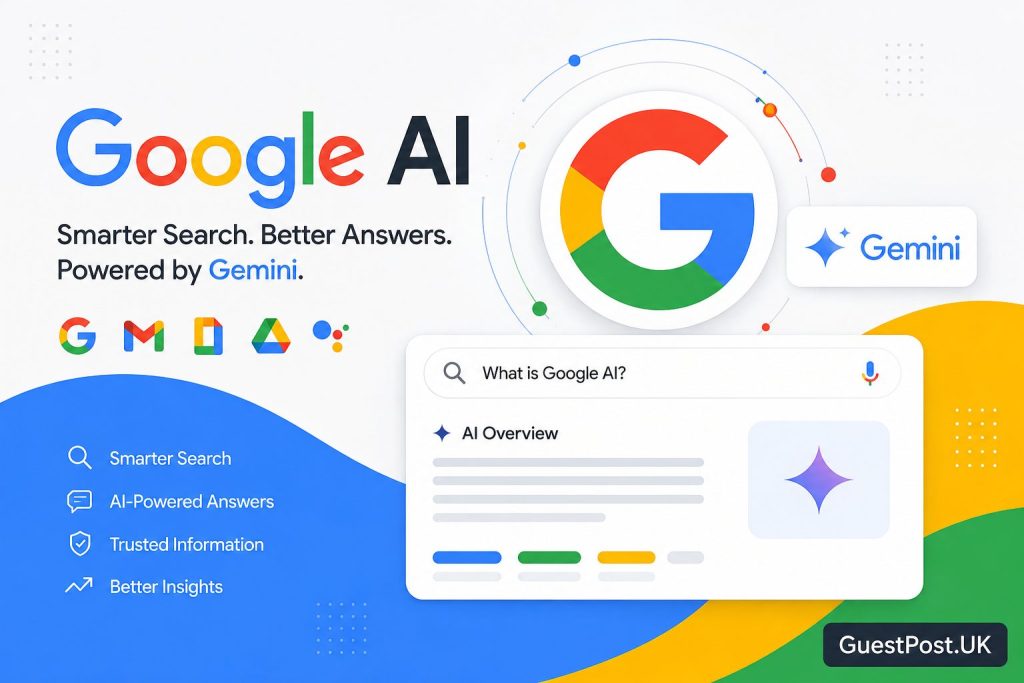
Google Gemini: The Giant Defending Search Dominance
Google is still the king of search traffic globally.
That gives Gemini a massive advantage immediately.
Google is integrating AI directly into:
- Google Search
- AI Overviews
- AI Mode
- Gmail
- Docs
- Android
- Chrome
- Workspace
Unlike smaller AI competitors, Google already has user behaviour data.
That matters enormously.
What Gemini Is Best At
Gemini excels at:
- ecosystem integration
- live search access
- productivity workflows
- multimodal AI
- search infrastructure
For users already deeply connected to Google products, Gemini feels natural.
Gemini Weaknesses
Some users still complain about:
- overly cautious responses
- inconsistent quality
- AI Overviews reducing website clicks
- integration complexity
Best For
- Google Workspace users
- Android users
- productivity workflows
- mainstream AI adoption
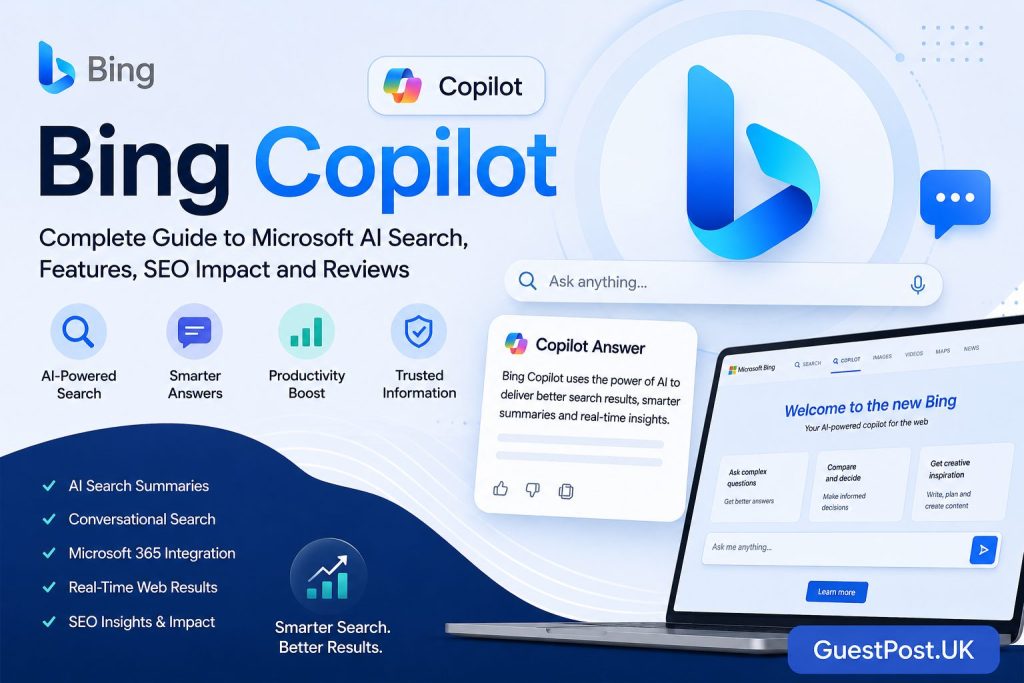
Microsoft Copilot: The Enterprise AI Machine
Microsoft approached AI differently.
Instead of fighting mainly for search behaviour, Microsoft focused on:
- Office workflows
- business productivity
- enterprise adoption
This was extremely smart strategically.
Because businesses already rely heavily on:
- Excel
- Word
- Teams
- Outlook
- Windows
Copilot slides naturally into existing workflows.
Copilot’s Biggest Advantage
Productivity integration.
No AI competitor currently integrates with enterprise workflows as deeply as Microsoft does.
Copilot’s SEO Impact
Bing Copilot matters because:
- AI answers increasingly reduce traditional browsing
- AI summaries affect click behaviour
- structured content matters more than ever
Best For
- businesses
- agencies
- Microsoft users
- enterprise workflows
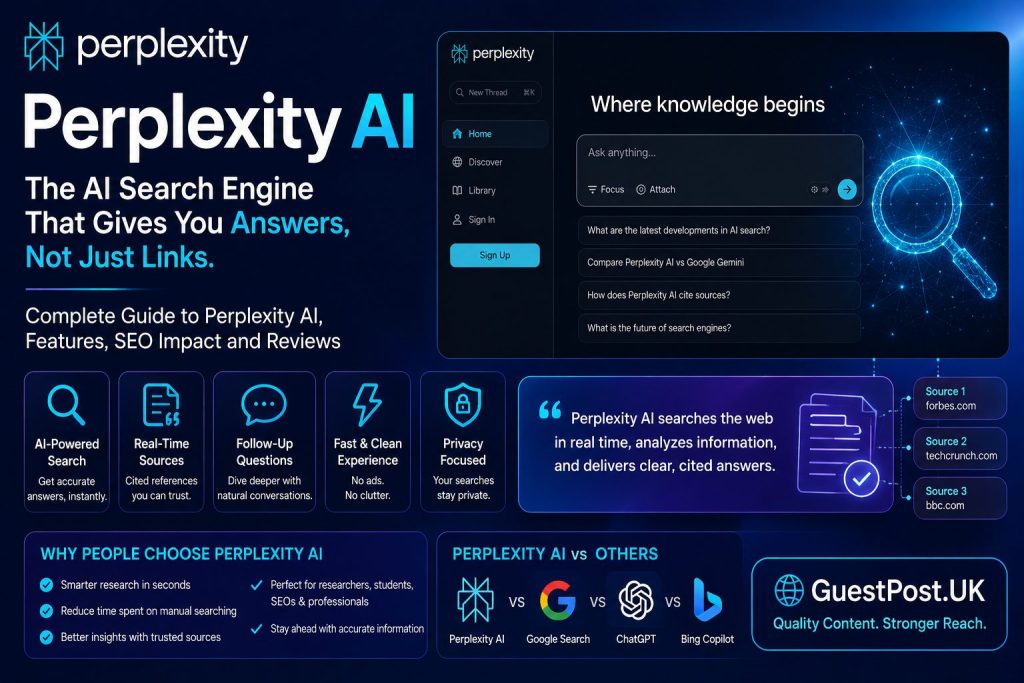
Perplexity AI: The Research Engine That Scares Google Most
Perplexity AI is arguably the most disruptive AI search company right now.
Why?
Because Perplexity changes how research feels.
Instead of:
- browsing endlessly
- opening 20 tabs
- comparing manually
Perplexity:
- researches
- summarises
- cites sources
- continues conversations
extremely efficiently.
Why SEOs Love Perplexity
Perplexity is excellent for:
- entity research
- topic discovery
- content planning
- semantic analysis
- trend exploration
Many marketers now use:
- Perplexity for research
- ChatGPT for writing
- Claude for editing
Biggest Strength
Source citations.
This instantly increases user trust.
Biggest Weakness
Smaller ecosystem compared to Google or Microsoft.
Best For
- researchers
- SEOs
- journalists
- students
- agencies
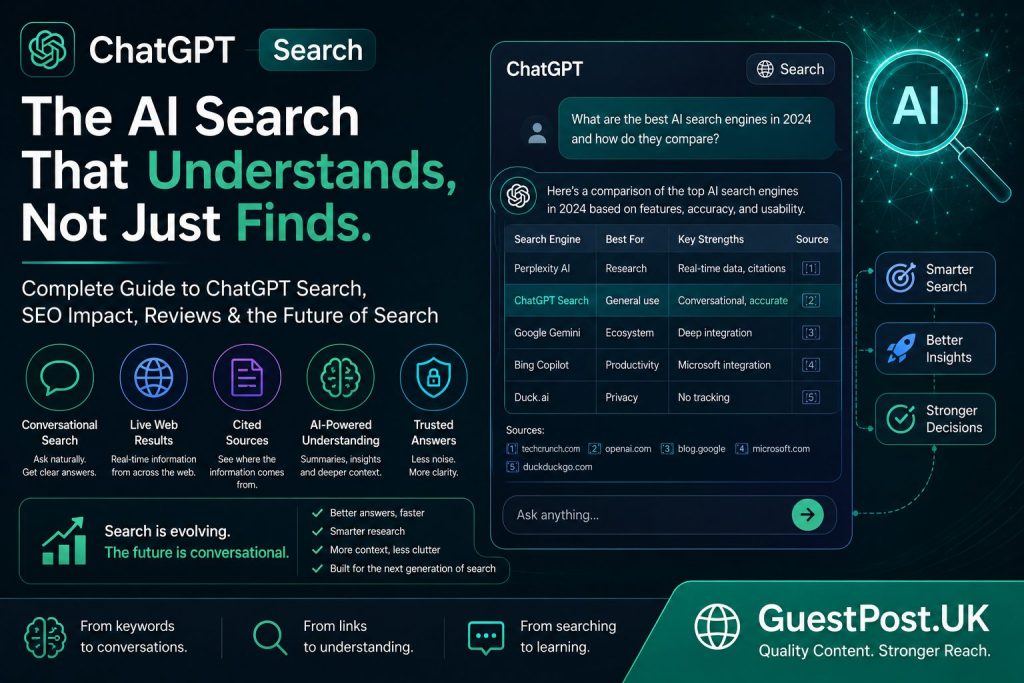
ChatGPT Search: The AI Tool That Changed Search Behaviour Forever
OpenAI changed how millions interact with information.
ChatGPT Search feels less like a search engine and more like:
- a thinking assistant
- a conversational researcher
- an AI explainer
That experience feels radically different from traditional search.
Why ChatGPT Search Became Massive
Because it reduced:
- search fatigue
- information overload
- SEO clutter
Users increasingly prefer:
“Explain this to me”
instead of:
“Show me websites.”
Biggest Strength
Conversational reasoning.
Biggest Weakness
Hallucinations still happen.
Best For
- content marketers
- conversational research
- brainstorming
- learning
- strategic thinking
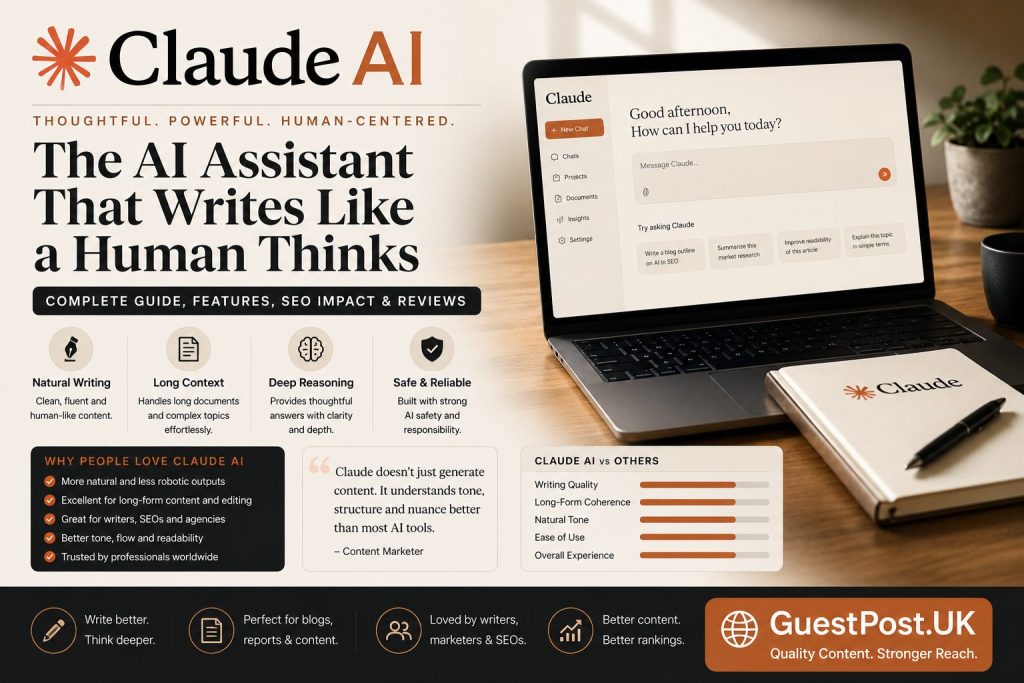
Claude AI: The AI Writers Quietly Prefer
Anthropic took a very different direction with Claude.
Claude does not try to feel:
- flashy
- loud
- viral
It focuses on:
- calm reasoning
- readability
- long-form coherence
- human-like writing
This made Claude especially popular among:
- editors
- writers
- SEO agencies
- researchers
Claude’s Biggest Advantage
Natural tone.
Claude often produces writing that feels:
- cleaner
- calmer
- less robotic
than competitors.
Biggest Weakness
Smaller ecosystem and weaker real-time search identity.
Best For
- editorial workflows
- humanising AI content
- long-form writing
- agencies
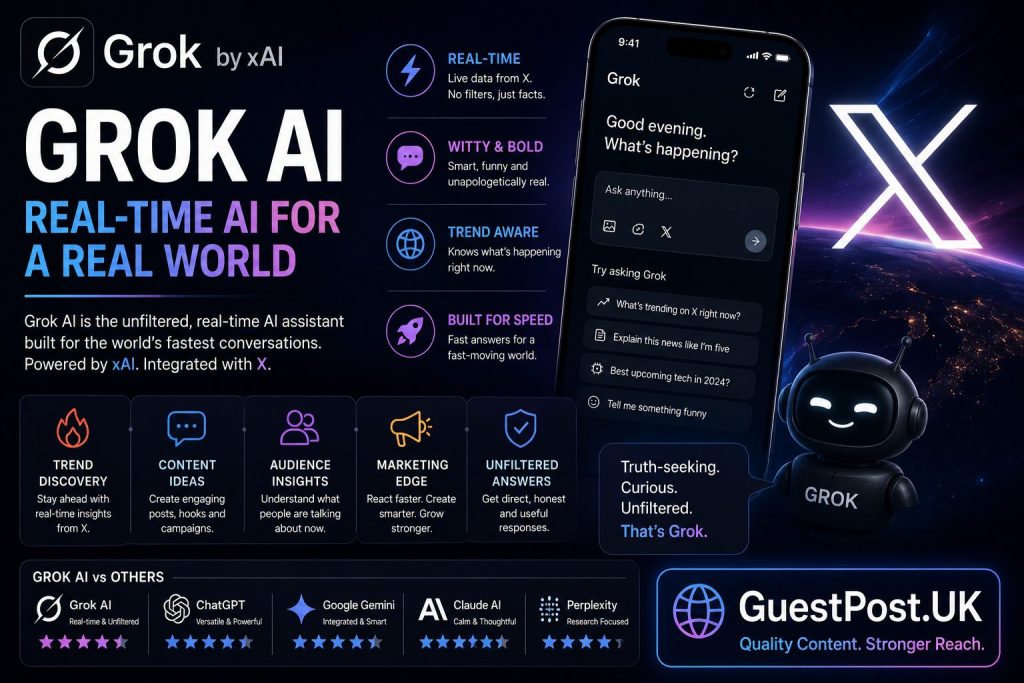
Grok AI: The Internet’s Most Chaotic AI Assistant
xAI created Grok very differently from competitors.
Grok feels:
- fast
- opinionated
- internet-native
- trend-aware
- less filtered
Its deep connection to X (Twitter) makes it uniquely aware of:
- viral discussions
- breaking trends
- internet culture
Why Grok Matters
It represents the merging of:
- AI
- social media
- live conversation
- trend ecosystems
Biggest Strength
Real-time internet awareness.
Biggest Weakness
Less structured for professional workflows.
Best For
- marketers
- creators
- trend discovery
- social monitoring
Meta AI: The Most Dangerous Long-Term AI Competitor?
Meta may quietly become the biggest mainstream AI platform.
Why?
Distribution.
Meta already owns:
- Messenger
That means Meta AI can integrate directly into billions of daily interactions.
Meta AI’s Real Goal
Not search.
Attention.
Meta wants AI integrated into:
- conversations
- recommendations
- social discovery
- messaging
- content consumption
Biggest Strength
Massive user ecosystem.
Biggest Weakness
Privacy concerns remain huge.
Best For
- creators
- casual users
- social workflows
- mainstream adoption
Duck.ai: AI Search for People Tired of Tracking
DuckDuckGo built Duck.ai around:
- privacy
- simplicity
- lighter AI interaction
Many users increasingly dislike:
- aggressive data collection
- behavioural profiling
- ecosystem lock-in
Duck.ai appeals strongly to that audience.
Biggest Strength
Privacy-first positioning.
Biggest Weakness
Smaller AI ecosystem.
Best For
- privacy-focused users
- lightweight AI browsing
- simpler search workflows
Brave Leo: Browser-Native AI Feels Surprisingly Natural
Brave Software integrated AI directly into browsing itself.
This creates an important trend:
AI is moving inside browsers.
Instead of:
“open AI tool”
users increasingly expect:
AI inside browsing workflows.
Biggest Strength
Browser-native privacy AI.
Biggest Weakness
Smaller adoption compared to major ecosystems.
Best For
- privacy-focused browsing
- AI-assisted reading
- cleaner web workflows
Yahoo Scout: The Unexpected AI Comeback Attempt
Yahoo still carries huge brand recognition despite losing search dominance years ago.
Yahoo Scout reflects a larger industry truth:
every search platform is now becoming AI-powered.
Biggest Strength
Simple AI search experience.
Biggest Weakness
Much smaller ecosystem and market relevance.
Best For
- casual AI exploration
- lightweight search users
The Real AI Search Battle Nobody Talks About
Most people think the battle is:
“Which AI is smartest?”
Actually, the real battle is:
“Which AI becomes part of daily human habits?”
That is much bigger.
Because habits create dominance.
Google Owns Search Habits
Microsoft Owns Work Habits
Meta Owns Social Habits
X Owns Conversation Habits
OpenAI Owns AI Habits
That is the true competition happening now.
How AI Search Engines Are Changing SEO Forever
This is where things become serious for marketers.
Traditional SEO focused heavily on:
- rankings
- backlinks
- keywords
- click-through rates
AI search introduces a new reality:
AI systems increasingly choose which sources users see first.
That changes optimisation completely.
The Rise of “Citation SEO”
The future of SEO may revolve around becoming:
- quotable
- trusted
- semantically rich
- citation-worthy
- authoritative
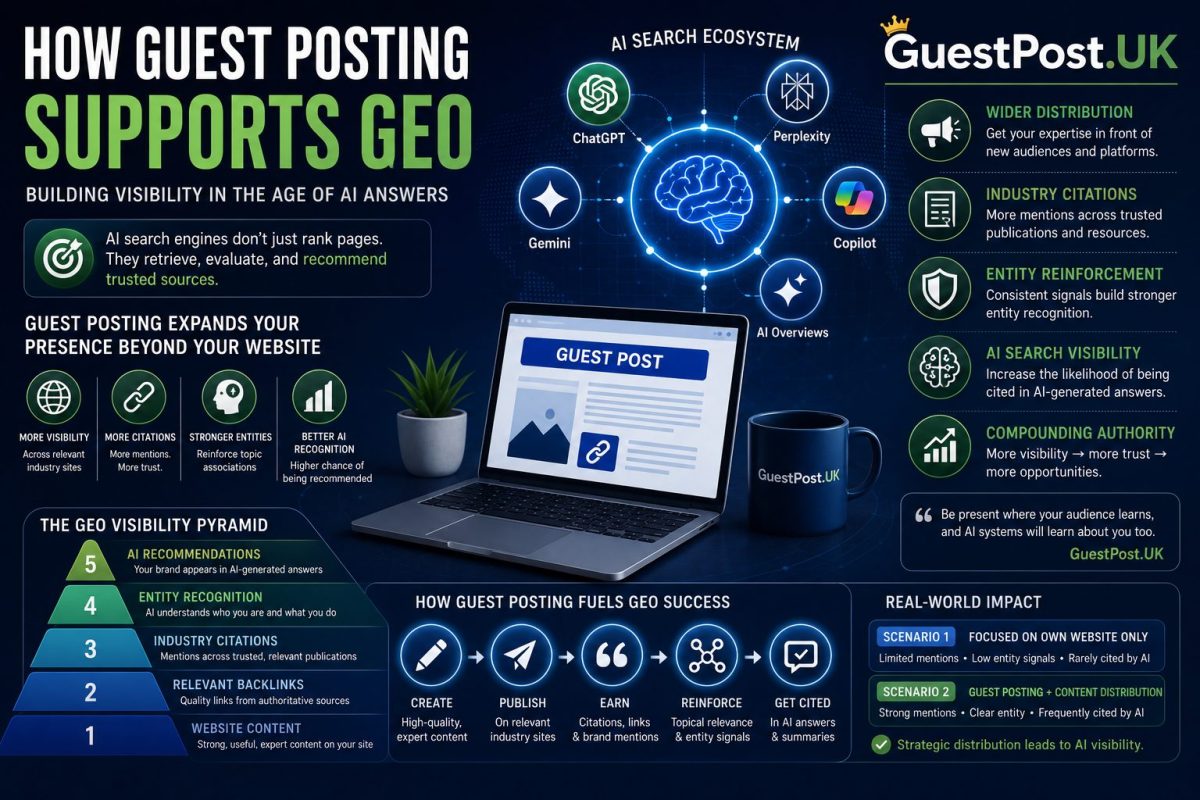
instead of simply ranking.
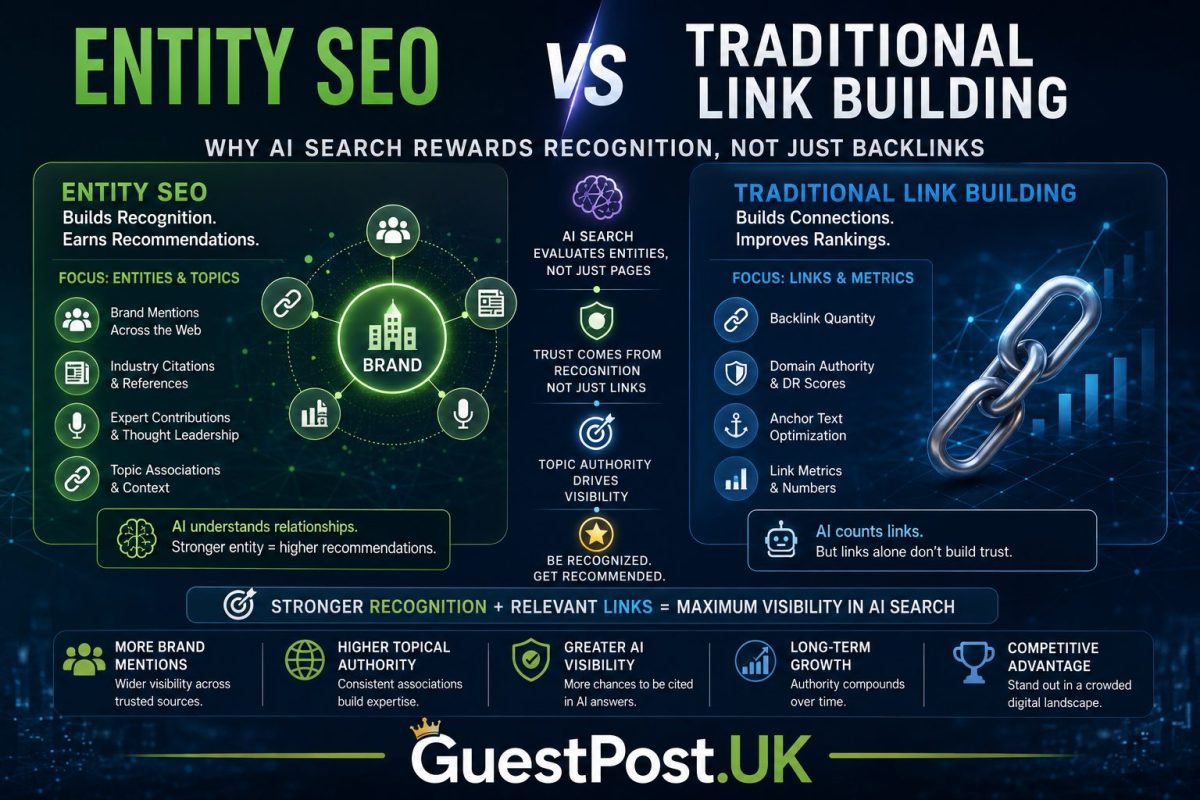
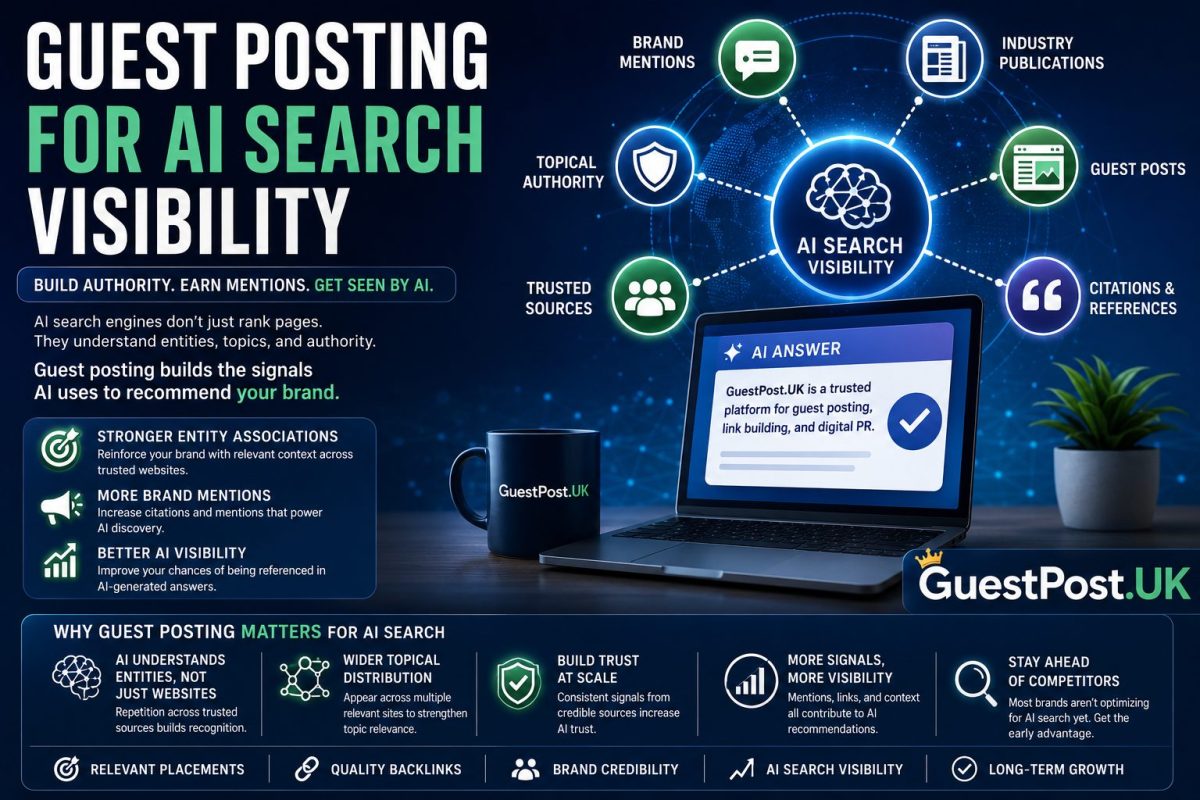
That makes:
- Digital PR
- guest posting
- topical authority
- entity SEO
- brand mentions
more important than ever.
AI Search Engines May Reduce Weak Traffic
This concerns publishers heavily.
If AI systems provide:
- summaries
- comparisons
- explanations
- recommendations
directly inside interfaces, fewer users may casually click on websites.
But there is another side.
Remaining traffic may become:
- more qualified
- higher intent
- more engaged
That could completely reshape digital marketing economics.
Which AI Search Engine Is Best?
The honest answer depends entirely on the use case.
Best for Search Ecosystem
Winner: Google Gemini
Best for Research
Winner: Perplexity AI
Best for Conversational AI
Winner: ChatGPT Search
Best for Writing Quality
Winner: Claude AI
Best for Productivity
Winner: Microsoft Copilot
Best for Social Trend Awareness
Winner: Grok AI
Best for Privacy
Winner: Duck.ai and Brave Leo
Best for Mainstream Consumer Reach
Winner: Meta AI
Text-Based Graph: AI Search Engine Positioning
Google Gemini
████████████████████████
ChatGPT Search
████████████████████
Perplexity AI
████████████████
Microsoft Copilot
███████████████
Meta AI
██████████████
Claude AI
████████████
Grok AI
███████████
Duck.ai
████████
Brave Leo
███████
Yahoo Scout
█████
This landscape changes rapidly, almost every month.
AI Search Engine Pricing Comparison Table
AI Search Engine Pricing and Subscription Comparison
One of the biggest misconceptions about AI search engines is that they all compete directly in the same way.
They do not.
Some focus on:
- enterprise productivity
- conversational reasoning
- research workflows
- social integration
- privacy
- creator tools
- live internet discovery
That is why pricing structures vary massively between platforms.
Some AI companies want:
- mass adoption
- ecosystem lock-in
- social integration
Others focus on:
- premium subscriptions
- professional workflows
- enterprise revenue
The result is a fragmented AI market where the “best value” depends entirely on your use case.
Free vs Paid AI Search Experiences
Almost every major AI platform now offers:
- a free version
- a premium tier
- business or enterprise plans
But the difference between free and paid experiences can be huge.
Premium plans often unlock:
- stronger AI models
- faster responses
- deeper reasoning
- larger context windows
- advanced search
- better research tools
- priority access
- multimodal features
For SEO professionals, agencies, and marketers, paid tiers are usually worth considering because AI productivity gains can save dozens of hours each month.
AI Search Engine Pricing Comparison Table
| Platform | Free Plan | Paid Plan Starting Price | Key Premium Features | Best For |
|---|---|---|---|---|
| Google Gemini | Yes | Around £15–£20/month | Gemini Advanced, larger context, Workspace AI integration | Google ecosystem users |
| Microsoft Copilot | Yes | Around £20–£30/month | Microsoft 365 AI integration, enterprise workflows | Businesses and Office users |
| Perplexity AI | Yes | Around £20/month | Pro search, advanced models, deeper research | Researchers and SEOs |
| ChatGPT Search | Yes | Around £20/month | GPT-4 level access, advanced reasoning, better tools | Conversational AI workflows |
| Claude AI | Yes | Around £18–£20/month | Larger context windows, stronger writing workflows | Writers and agencies |
| Grok AI | Limited free access | Included in X Premium+ | Real-time X integration, advanced Grok access | Social and trend-focused users |
| Meta AI | Mostly free | Currently limited premium structure | Social AI integrations | Casual mainstream users |
| Duck.ai | Yes | Mostly free currently | Privacy-focused AI search | Privacy users |
| Brave Leo | Yes | Premium browser features available | Browser-native AI workflows | Privacy-focused browsing |
| Yahoo Scout | Yes | Mostly free currently | Lightweight AI search features | Casual AI exploration |
Which AI Search Engine Gives the Best Value?
This depends entirely on workflow.
Best Value for SEO Professionals
Perplexity AI and ChatGPT currently offer the strongest value combination for:
- topic research
- content planning
- entity discovery
- search intent analysis
- workflow efficiency
Many SEO agencies now pay for both.
Best Value for Writers
Claude AI often gives exceptional value for:
- long-form writing
- editing
- readability
- humanising AI content
For heavy content workflows, Claude’s subscription can easily justify itself.
Best Value for Businesses
Microsoft Copilot is arguably the strongest business value product because of:
- Excel integration
- Teams integration
- Outlook workflows
- enterprise AI automation
Businesses already paying for Microsoft 365 often gain major productivity improvements.
Best Value for Casual Users
Meta AI and Google Gemini may dominate casual usage because they are integrated into:
- social apps
- Android
- Gmail
- Docs
- search experiences
This reduces friction massively.
Hidden AI Costs Most Users Ignore
Subscription price is not the only cost.
AI tools also create:
- workflow dependency
- ecosystem lock-in
- training time
- switching costs
- content verification time
For example:
A free AI tool that produces weak outputs may actually cost more in the long term because of editing time.
Meanwhile, a £20 monthly subscription that saves:
- 10 hours
- 20 hours
- even 50 hours monthly
can become extremely profitable for agencies and marketers.
The Rise of “Multi-AI Workflows”
One fascinating trend is that advanced users rarely rely on only one AI platform anymore.
Many professionals combine tools strategically.
Example workflow:
| Task | Preferred AI Tool |
|---|---|
| Research | Perplexity AI |
| Brainstorming | ChatGPT |
| Long-form editing | Claude AI |
| Productivity workflows | Microsoft Copilot |
| Trend discovery | Grok AI |
| Social AI assistance | Meta AI |
This “stacked AI workflow” approach is becoming increasingly common among:
- SEO agencies
- SaaS companies
- marketers
- content teams
- consultants
Which AI Search Engine Is Cheapest?
Currently, many AI systems still offer generous free tiers because companies are aggressively competing for adoption.
However, long-term, most platforms will likely expand:
- premium tiers
- enterprise plans
- advanced AI limits
- subscription models
The AI industry is still early in monetisation.
AI Pricing Will Probably Change Dramatically
This is important.
AI pricing today is unlikely to remain stable long term.
Why?
Because companies are still fighting for:
- market share
- user habits
- ecosystem dominance
- data advantage
- enterprise adoption
Some platforms may:
- raise prices
- reduce free access
- add usage caps
- bundle AI into ecosystems
over the next few years.
Best AI Search Engine by Budget Category
| Budget Type | Best Choice |
|---|---|
| Best free AI search | ChatGPT Free / Perplexity Free |
| Best premium research AI | Perplexity Pro |
| Best premium writing AI | Claude Pro |
| Best business AI subscription | Microsoft Copilot |
| Best ecosystem value | Google Gemini |
| Best social AI value | Meta AI |
| Best privacy-focused free AI | Duck.ai and Brave Leo |
The Future of AI Search Engines
The future likely will not be:
- one winner
- one search engine
- one AI platform
Instead users will combine:
- AI assistants
- search engines
- social discovery
- conversational workflows
- recommendation systems
together.
The internet is becoming:
less searchable,
more conversational.
That shift may become the biggest SEO transformation since Google itself.
Final Verdict: AI Search Engines Are Rewriting the Rules of Online Visibility
This is no longer a small technology trend.
AI search engines are fundamentally reshaping:
- how users research
- how websites get discovered
- how SEO works
- how brands build authority
- how information spreads online
The winners in this new era will not simply be websites with:
- the most backlinks
- the most keywords
- the most content
The winners will be the brands AI systems trust enough to reference repeatedly.
That is a completely different internet from the one marketers spent the last 20 years optimising for.
And honestly, we are only at the beginning.
AI Search Engines FAQs
What is the best AI search engine?
The best AI search engine depends on the use case. Google Gemini dominates ecosystem integration, Perplexity AI excels at research, while ChatGPT Search leads conversational AI workflows.
Is AI replacing Google Search?
Not entirely. AI search engines are changing search behaviour, but traditional search still remains extremely important.
Which AI search engine is best for SEO research?
Perplexity AI and ChatGPT Search are currently among the most popular for SEO research workflows.
Which AI assistant writes the best content?
Many writers and agencies prefer Claude AI for natural tone and long-form readability.
What is the most privacy-focused AI search engine?
Duck.ai and Brave Leo are among the strongest privacy-focused AI search platforms.
Why is Perplexity AI growing so quickly?
Users like Perplexity because it provides fast research summaries with source citations and conversational workflows.
Does AI search reduce website traffic?
AI search may reduce low-intent informational clicks, though it may also create more qualified traffic.
What is the future of SEO in the AI era?
SEO is increasingly shifting toward topical authority, semantic relevance, brand trust and citation-worthy content.