
Imagine sitting in a marketing meeting in 2016.
Someone says:
“One day businesses will optimise content for AI-generated answers instead of just Google rankings.”
Most people would probably laugh.
Fast forward to 2026, and that prediction is becoming reality.
Businesses are no longer competing only for rankings.
They’re competing for recommendations.
That’s where the debate begins.
Should companies continue focusing on traditional SEO?
Or should they start investing heavily in Generative Engine Optimisation (GEO)?
The answer is not as straightforward as many marketers think.
The Battle Between Discovery and Recommendation
At its core, the GEO vs SEO discussion comes down to one fundamental difference.
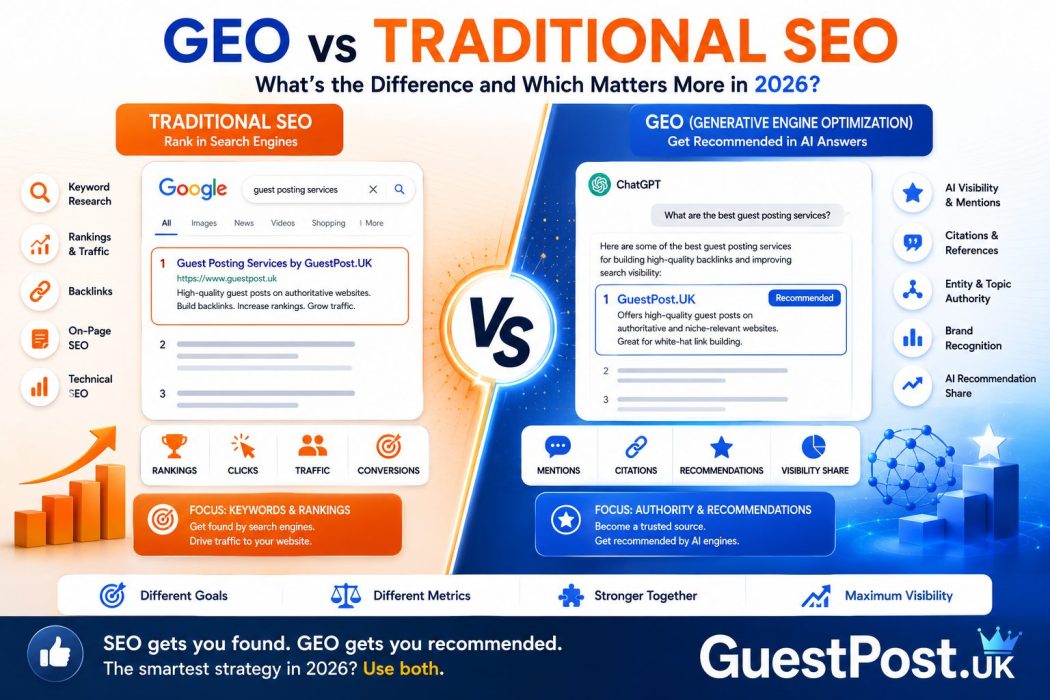
Traditional SEO focuses on helping users discover your website.
GEO focuses on helping AI systems recommend your brand.
Think about how people searched five years ago.
User searches Google → clicks website → reads content → makes a decision.
Today, the journey increasingly looks like this:
User asks ChatGPT → AI generates answer → user creates shortlist → website visit becomes optional.
This shift changes how visibility works.
What Is Traditional SEO?
Traditional Search Engine Optimisation (SEO) focuses on improving visibility within search engines.
The objective is simple.
Appear as high as possible when users search relevant keywords.
A traditional SEO campaign typically includes:
- Keyword research
- Content creation
- Technical SEO
- Link building
- Internal linking
- User experience improvements
- Local SEO
Success is often measured through:
- Rankings
- Organic traffic
- Clicks
- Leads
- Conversions
SEO has dominated digital marketing for over two decades because it works.
What Is GEO?
Generative Engine Optimisation (GEO) focuses on visibility within AI-generated answers.
Instead of asking:
“How do I rank?”
GEO asks:
“How do I get recommended?”
The goal is to increase visibility across platforms such as:
- ChatGPT
- Google AI Overviews
- Gemini
- Claude
- Perplexity
- Microsoft Copilot
Success is measured differently.
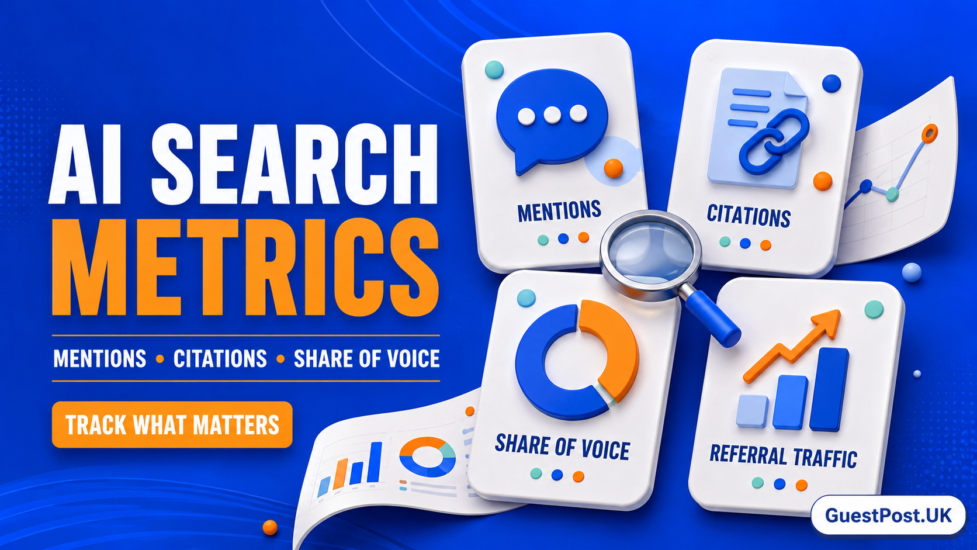
Common GEO metrics include:
- Brand mentions
- AI citations
- Recommendation frequency
- AI visibility share
- Topic authority
GEO is still developing, but it is rapidly becoming part of a modern search strategy.
A Simple Analogy
Imagine two restaurants.
Traditional SEO
Place your restaurant on the busiest street in town.
People can find you easily.
GEO
Convince the local food critic to recommend your restaurant whenever somebody asks where to eat.
Both approaches generate customers.
The difference lies in how customers discover you.
GEO vs SEO: Side-by-Side Comparison
| Factor | Traditional SEO | GEO |
|---|---|---|
| Main Goal | Rankings | Recommendations |
| Platform | Search Engines | AI Platforms |
| Success Metric | Traffic | Mentions & Citations |
| Primary Focus | Keywords | Entities & Authority |
| User Journey | Search → Click | Ask → Answer |
| Content Strategy | Keyword Optimisation | Topic Authority |
| Reporting | Mature | Emerging |
| Industry Age | 20+ Years | Early Stage |
This table highlights why GEO is not a replacement for SEO.
The two disciplines solve different problems.
Why SEO Still Matters
Some marketers are treating GEO as if it makes SEO obsolete.
That’s a mistake.
In fact, strong GEO performance often starts with strong SEO.
Most brands consistently recommended by AI systems already possess:
- Authoritative websites
- Strong backlink profiles
- High-quality content
- Industry recognition
Consider companies such as:
- HubSpot
- Ahrefs
- Semrush
- Salesforce
They didn’t become AI recommendations overnight.
They became authorities first.
Why GEO Is Growing So Quickly
Several trends are accelerating GEO adoption.
AI Search Usage Is Rising
Millions of users now begin research through AI assistants.
Search Behaviour Is Changing
People increasingly want answers instead of lists of links.
Recommendation Visibility Matters
Being recommended often builds trust before a website visit.
Competition Is Increasing
Businesses are looking for new ways to gain visibility.
The result is a growing demand for GEO strategies and tools.
The Real Difference: Keywords vs Entities
This may be the most important distinction.
Traditional SEO often revolves around keywords.
Examples:
- Guest posting services
- SEO agency London
- Best CRM software
GEO revolves around entities.
Examples:
- GuestPost.uk
- HubSpot
- Ahrefs
- Salesforce
AI systems increasingly attempt to understand:
- Brands
- Products
- People
- Organisations
rather than just keywords.
This is one reason brand building is becoming more important.
The Role of Content in Both Strategies
Content remains essential.
However, the emphasis changes.
Traditional SEO Content
Focuses on:
- Search intent
- Keywords
- On-page optimisation
- SERP rankings
GEO Content
Focuses on:
- Expertise
- Original insights
- Citability
- Authority
The strongest content often satisfies both.
For example, an original research study may:
- Rank well in Google
- Earn backlinks
- Get cited by journalists
- Appear in AI-generated answers
That is the ideal outcome.
A Real-World Example
Let’s imagine two outreach software companies.
Company A
Publishes 200 keyword-targeted articles.
Ranks well.
Receives traffic.
Company B
Publishes fewer articles but also invests in:
- Research reports
- Industry studies
- Expert interviews
- Digital PR
- Brand awareness
Both companies perform SEO.
However, Company B often becomes the brand that AI systems recognise.
Why?
Because recognition extends beyond rankings.
Which Strategy Produces Faster Results?
Generally:
SEO
Can generate measurable traffic within months.
GEO
Often takes longer because authority and recognition require time.
Think of GEO as reputation building.
Reputation compounds slowly but can become extremely valuable.
Where Guest Posting Fits Into Both
Guest posting remains useful in both environments.
For SEO:
- Backlinks
- Authority
- Rankings
For GEO:
- Brand mentions
- Citations
- Recognition
- Topic association
This makes guest posting one of the few tactics that benefits both strategies simultaneously.
Common GEO Misconceptions
“GEO Replaces SEO”
False.
GEO builds on SEO foundations.
“Backlinks No Longer Matter”
False.
Authority signals still matter.
“Only Big Brands Can Win”
False.
Smaller businesses can build topical authority within niches.
“AI Search Will Replace Google”
Unlikely.
The future is more likely to involve both search engines and AI systems.
What Most Businesses Should Do in 2026
The smartest approach is not choosing one side.
It’s combining both.
A balanced strategy might allocate:
70% Traditional SEO
- Technical SEO
- Content creation
- Link building
- On-page optimisation
30% GEO
- Digital PR
- AI visibility monitoring
- Brand building
- Original research
- Citation acquisition
This balance will vary by industry, but it reflects where many successful brands are heading.
The Future Marketing Stack
In 2020:
SEO + Content Marketing
In 2023:
SEO + Content + Digital PR
In 2026:
SEO + Content + Digital PR + GEO
In 2030:
SEO and GEO will likely be viewed as complementary disciplines rather than separate strategies.
Frequently Asked Questions
Is GEO replacing SEO?
No. GEO complements SEO rather than replacing it.
Which is more important in 2026?
Traditional SEO remains more important overall, but GEO is becoming increasingly valuable.
Can GEO help rankings?
Indirectly. GEO strategies often strengthen authority and brand recognition, which can benefit SEO.
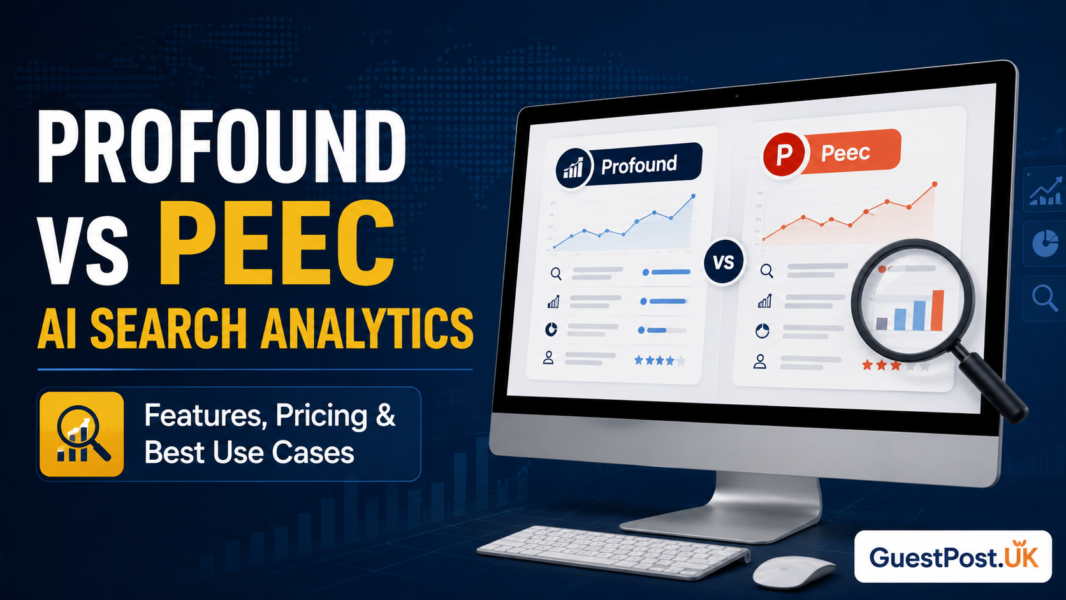
What tools track GEO performance?
Popular options include:
- Profound
- Peec AI
- Otterly AI
- AthenaHQ
- Goodie AI Search Analytics
- Ahrefs Brand Radar
Should small businesses care about GEO?
Yes, particularly if they operate in competitive industries where AI-generated recommendations influence buying decisions.
Final Verdict: Which Matters More?
If you could only choose one strategy today, traditional SEO still wins.
It remains the foundation of online visibility.
However, that answer becomes less clear every year.
The businesses likely to dominate the next decade will not be those that ignore GEO.
They will be the brands that combine:
- SEO for discoverability
- GEO for recommendability
In 2026, the question is no longer SEO or GEO.
The winning strategy is for SEO and GEO to work together.